
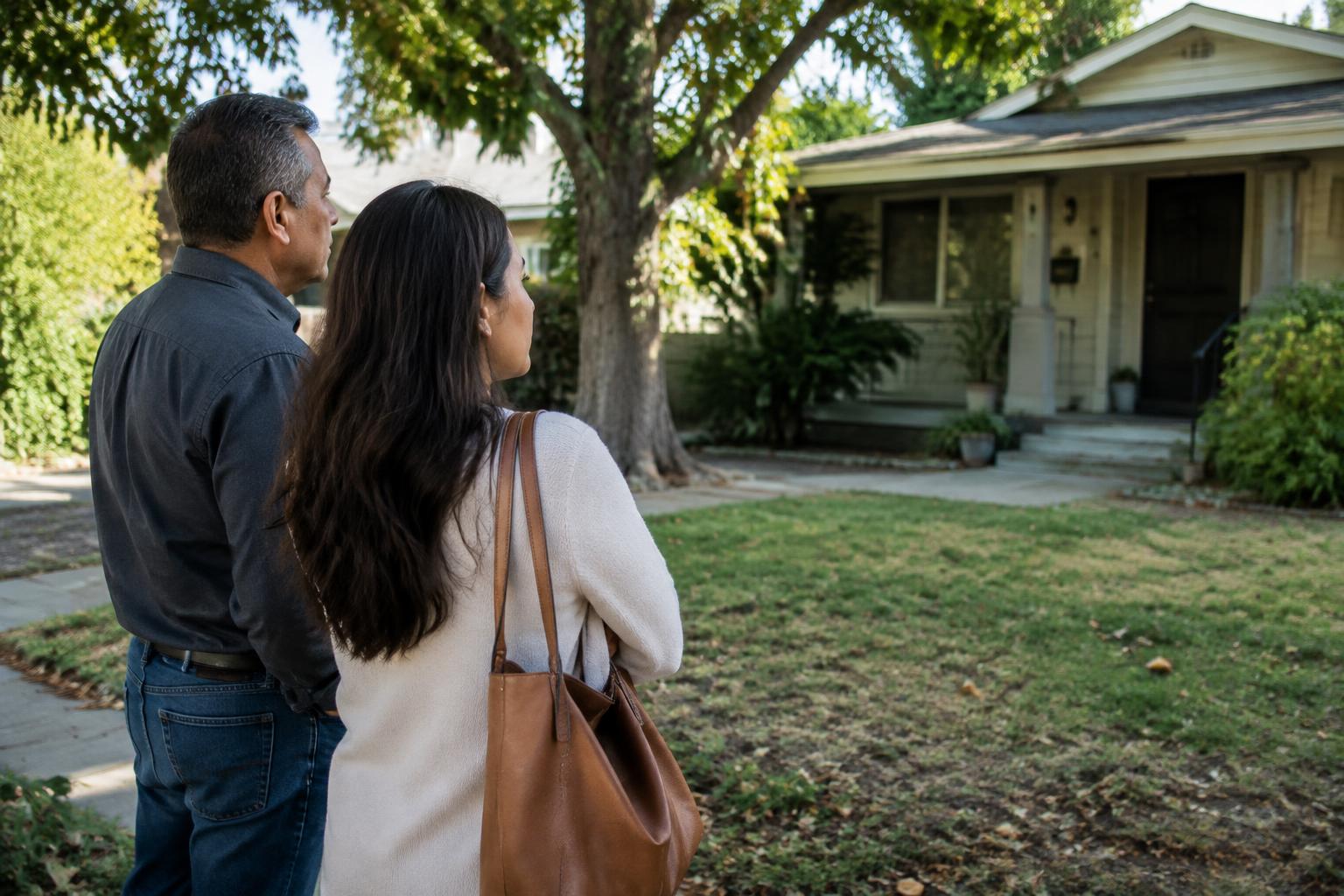
Common Partition and Co-Ownership Disputes
One Co-Owner Refuses to Sell
A property owner may want to sell jointly owned real estate while another owner wishes to retain it. When negotiation fails, a partition action may provide a way to resolve the disagreement, depending on the ownership arrangement and applicable law.
Inherited Property and Family Disagreements
Property inherited by siblings or other family members can become a source of conflict when the owners disagree about selling, occupying, maintaining, or managing the property. Some inherited properties may also be subject to special California rules governing partition of heirs' property.
Disputes Between Former Partners or Investors
People who purchase property together may later disagree about their ownership interests, financial contributions, or whether to continue holding the investment. The available remedies can depend on the title, ownership agreements, and other relevant circumstances.
Mortgage Payments, Taxes, and Property Expenses
Co-owners sometimes contribute unequal amounts toward mortgage payments, property taxes, insurance, repairs, or improvements. These contributions may become important when determining how financial interests should be addressed in a partition proceeding.
Rental Income and Use of Jointly Owned Property
Disagreements may arise when one owner collects rental income, occupies the property exclusively, or makes decisions about property management without the agreement of other owners. The financial and legal consequences depend on the circumstances.
How Partition Actions Work in California
A partition action is a court proceeding used to resolve certain disputes involving jointly owned real property. Depending on the ownership arrangement and applicable law, a co-owner may have the right to seek partition even when another owner objects.
California law generally recognizes different approaches to partition, including dividing property where legally and practically appropriate or ordering a sale and distributing the proceeds according to the parties' rights.
Some cases may involve additional procedures, including those applicable to qualifying heirs' property. The court may also need to address disputed ownership interests, expenses, and other financial issues.
The process and outcome depend on the particular property, ownership documents, and applicable legal requirements.
Resolving Co-Ownership Disputes
Not every disagreement between co-owners requires a contested court proceeding. Depending on the circumstances, possible resolutions may include negotiating a voluntary sale, arranging for one owner to purchase another's interest, or reaching an agreement concerning the property's future.
When the parties cannot reach an acceptable resolution, litigation may be necessary.
Lepera & Associates handles partition actions and real estate co-ownership disputes. The firm evaluates the ownership arrangement, relevant financial records, and available legal options to help clients pursue an appropriate resolution. This work is part of our broader Real Estate Litigation practice.
Frequently Asked Questions
Can I force the sale of property that I own with someone else?
In some circumstances, a co-owner may seek a partition action to resolve a disagreement over jointly owned property. Whether a court orders a sale or another form of relief depends on the ownership arrangement, applicable law, and the facts of the case.
What happens if my siblings and I inherit a house but disagree about selling it?
Inherited property disputes may sometimes be resolved through negotiation, a buyout, or a partition proceeding. Special procedures may apply to qualifying heirs' property under California law.
Can one co-owner buy out the others instead of selling the property?
Yes, a negotiated buyout may be possible. Certain partition proceedings may also involve legally prescribed buyout opportunities. The available options depend on the circumstances and applicable law.
What if I paid more than my co-owner toward the mortgage or property expenses?
Unequal contributions may be relevant to the financial accounting between co-owners. The treatment of those payments depends on the evidence, ownership arrangements, and applicable law.
Do all partition actions result in a property being sold?
No. The appropriate outcome depends on the property and governing legal requirements. Some disputes may be resolved through agreements, buyouts, or division of property where legally appropriate.