
Can My HOA Enforce a Rule That Restricts How I Use My Property?
CC&Rs, bylaws, and association rules establish rights and obligations within a common-interest development. Disputes can arise over restrictions on property improvements, architectural modifications, parking, landscaping, use of common areas, or other matters affecting ownership and occupancy.
A homeowner may question whether a restriction is valid, whether it has been applied consistently, or whether the association has followed required procedures. Associations may need to enforce governing documents while complying with their own obligations.
Lepera & Associates evaluates governing documents, relevant communications, association decisions, and applicable California law to assess potential claims and defenses.
What If I Disagree With an HOA Assessment or Charge?
Regular assessments, special assessments, late fees, and other charges can lead to disputes between homeowners and associations.
The legal questions may involve the association's authority to impose a charge, the procedures followed, the accounting supporting the amount, or the homeowner's obligations under the governing documents.
The firm assists clients in evaluating disputed charges, enforcement actions, and related claims. Available remedies depend on the particular circumstances and applicable legal requirements.
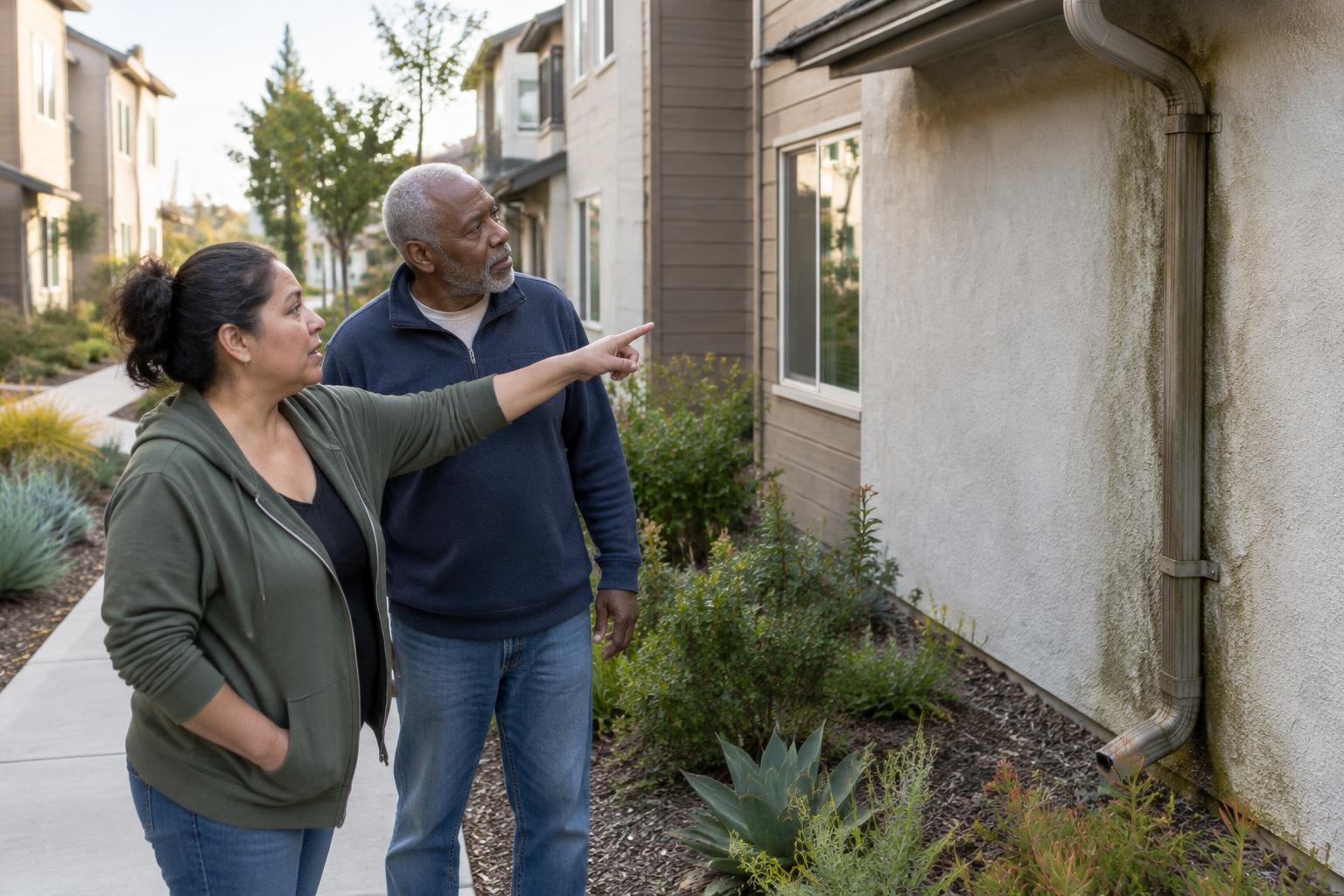
Who Is Responsible When an HOA Fails to Maintain Shared Property?
Conflicts can arise when roofs, exterior structures, drainage systems, landscaping, shared walls, or other common areas require maintenance or repair.
Responsibility may depend on whether the affected property is classified as a separate interest, common area, or exclusive-use common area, as well as the allocation of duties in the governing documents and California law.
Homeowners may seek to address delayed repairs or disputed maintenance obligations. Associations may need representation when responsibility, access, repair costs, or alleged property damage is contested.
What Can a Homeowner Do About an HOA Board Decision?
Association boards make decisions affecting community finances, maintenance, enforcement, and property use. Disagreements may involve meeting procedures, access to records, elections, alleged selective enforcement, or the exercise of board authority.
Not every unpopular decision creates a legal claim. A meaningful evaluation requires examining the governing documents, the decision-making process, the board's obligations, and the evidence supporting the dispute.
Lepera & Associates assists homeowners and associations in evaluating governance-related conflicts and potential litigation.
How Are Disputes Involving Condominium Units and Shared Property Resolved?
Condominium disputes may involve water intrusion, structural repairs, shared walls, common-area maintenance, allocation of repair expenses, or restrictions affecting individual units.
These conflicts can involve overlapping responsibilities among individual owners, the association, and sometimes other parties.
The firm evaluates ownership documents, maintenance obligations, and relevant facts to determine the available options for resolving the dispute.
Does Lepera & Associates Also Represent Homeowners Associations?
Yes. Although the firm frequently represents individual homeowners in disputes with associations, Lepera & Associates also represents homeowners associations in appropriate litigation and enforcement matters.
These disputes may involve CC&R enforcement, assessments, property-use restrictions, maintenance responsibilities, or claims brought by individual owners.
Representation is subject to conflict checks and an evaluation of the specific matter.
Finding an Appropriate Resolution to an HOA Conflict
HOA disputes can affect property values, financial obligations, and relationships within a community. An effective approach begins with understanding the governing documents, identifying the disputed conduct, and evaluating the evidence and applicable law.
Depending on the type of dispute, California law may require or provide procedures for internal dispute resolution, alternative dispute resolution, or other steps before certain court actions proceed.
Some disputes can be resolved through communication, negotiation, or a negotiated agreement. Others require formal legal proceedings. Lepera & Associates helps clients evaluate their options and pursue a strategy appropriate to the circumstances. This work is part of our broader Real Estate Litigation practice.
Frequently Asked Questions
Can I sue my homeowners association?
A homeowner may have grounds to bring a claim when an association violates an enforceable legal obligation or governing-document requirement. Whether litigation is appropriate depends on the facts, available remedies, and any applicable pre-litigation procedures.
Can an HOA enforce rules that are not in the CC&Rs?
Associations may have authority to adopt and enforce rules under their governing documents and California law. Whether a particular rule is valid and enforceable depends on its substance, the association's authority, and the procedures used.
Who pays attorney fees in an HOA dispute?
Attorney-fee recovery depends on the nature of the claim, applicable statutes, governing documents, and the outcome. Some California HOA disputes involve statutory fee-shifting provisions, but fees are not automatically recoverable in every case.
What if my HOA refuses to repair common areas?
The first step is determining who has the maintenance obligation under the governing documents and applicable law. Depending on the circumstances, a homeowner may have options to seek compliance or pursue other remedies.
Does California have laws specifically governing HOAs?
Yes. California's Davis-Stirling Common Interest Development Act governs many aspects of common-interest developments, including association operations, homeowner rights, assessments, and dispute-resolution procedures. Other laws and governing documents may also apply.
Does Lepera & Associates represent HOAs as well as homeowners?
Yes. The firm represents individual homeowners and homeowners associations in appropriate disputes, subject to conflict checks and case evaluation.