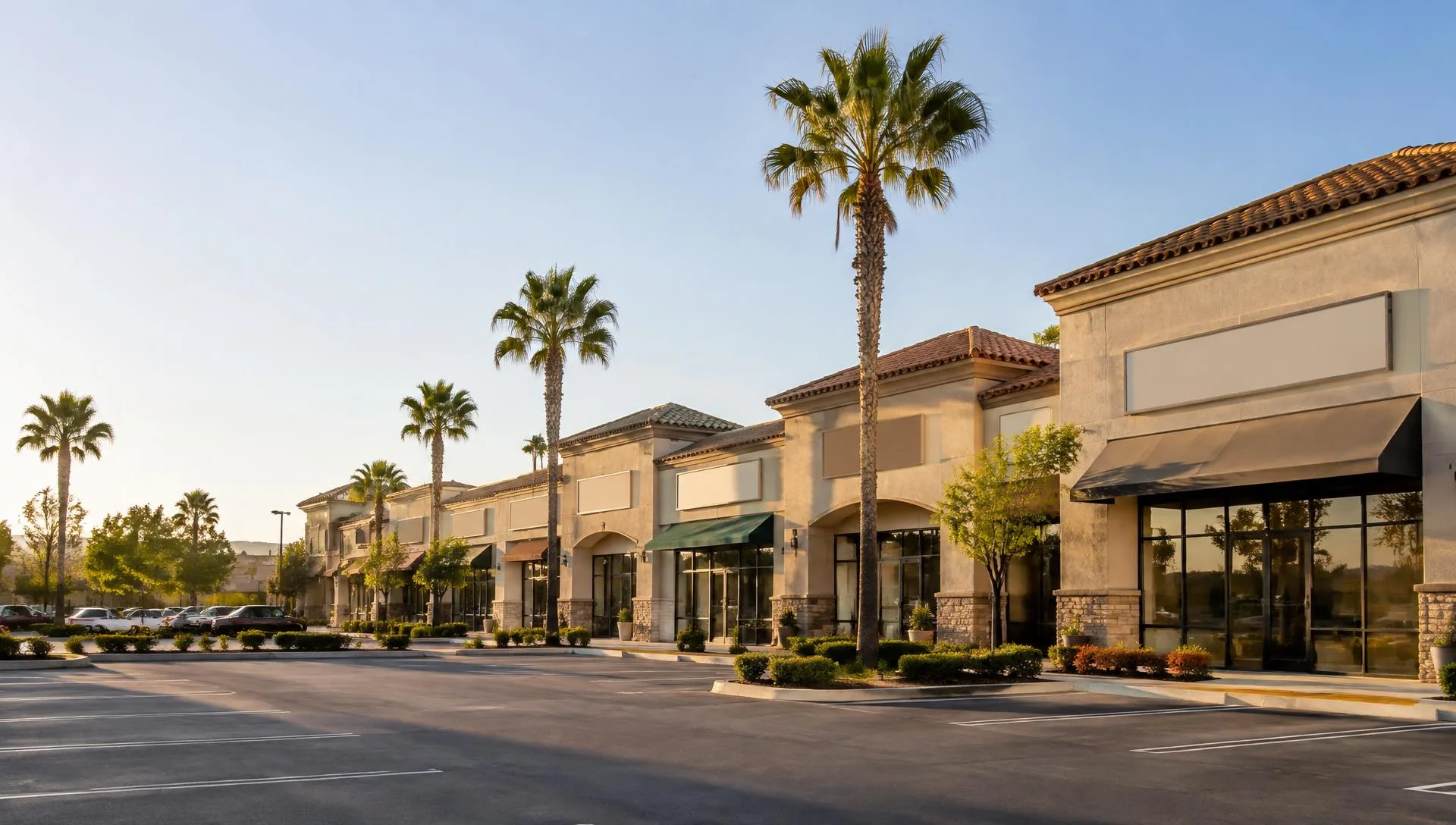
Commercial lease disputes can threaten business operations, valuable property rights, and substantial financial investments. Lepera & Associates, PC represents California commercial landlords and tenants in disputes involving lease enforcement, unpaid rent, property obligations, and termination.
Select a question to see a short answer. Each answer links to a detailed legal explanation.
When a commercial landlord or tenant violates a lease agreement, the other party may have legal remedies under California law. Depending on the nature of the breach and the lease provisions, those remedies may include demanding compliance, recovering financial losses, terminating the lease, or pursuing litigation.
Common disputes involve unpaid rent, unauthorized use of the premises, failure to maintain the property, improper restrictions on business operations, and violations of negotiated lease obligations.
Not every breach justifies terminating a commercial lease. The seriousness of the violation, contractual notice requirements, opportunities to correct the problem, and applicable California law can determine which remedies are available.
An attorney can evaluate the lease, identify enforceable obligations, and determine an appropriate strategy for protecting the client’s financial and property interests.
A commercial lease establishes contractual obligations between the landlord and tenant. A breach occurs when a party fails to perform an enforceable obligation under the agreement.
Examples include failure to pay rent, unauthorized alterations, prohibited uses, failure to provide agreed access, or neglect of assigned maintenance responsibilities.
The legal consequences depend partly on whether the breach is material. A material breach substantially affects the contractual exchange or deprives the other party of an important benefit of the agreement. A minor or technical violation may support a limited remedy without necessarily justifying termination.
Commercial leases may also identify particular defaults and establish procedures for addressing them. Those provisions must be considered alongside applicable California law.
Hypothetical example
A tenant leases a warehouse for distribution operations. The lease expressly prohibits hazardous-material storage without written approval. The tenant begins storing substantial quantities of prohibited chemicals, creating safety and insurance concerns.
The landlord may have grounds to demand compliance and potentially pursue termination or other remedies, depending on the lease, the facts, and statutory requirements.
Many commercial leases require a party alleging default to provide written notice identifying the violation and allowing a specified period for correction.
The lease may establish different notice procedures for monetary and nonmonetary defaults. California unlawful detainer law separately imposes statutory notice requirements when a landlord seeks possession through that procedure.
Under Code of Civil Procedure § 1161(3), certain violations of lease covenants other than rent payment generally require a three-day notice to perform the covenant or surrender possession. The statute also addresses violations that cannot subsequently be corrected.
A contractual default notice and a statutory notice required to obtain possession are not necessarily interchangeable. Their contents, timing, and service requirements must be evaluated independently.
Hypothetical example
A commercial tenant installs exterior signage without the landlord’s required approval. The lease provides ten days after written notice to correct certain violations.
Before pursuing termination, the landlord must determine which contractual and statutory requirements apply. An improperly prepared or served notice may undermine a subsequent eviction proceeding.
When a commercial tenant breaches a lease, the landlord’s available remedies depend on the violation, contractual terms, and applicable law.
Possible remedies include demanding performance, recovering unpaid rent, pursuing damages, or terminating the tenant’s right to possession through lawful procedures.
California Civil Code § 1951.2 provides a framework for recovering certain damages when a tenant breaches and abandons the premises or the landlord terminates possession because of a breach. Recoverable amounts may include accrued rent, qualifying future rental losses, and other legally compensable damages, subject to statutory requirements concerning avoidable losses.
In qualifying circumstances, Civil Code § 1951.4 permits a landlord to continue the lease and recover rent as it becomes due. This alternative requires appropriate lease provisions and satisfaction of statutory conditions, including those involving assignment or subletting rights.
These remedies are not automatically interchangeable, and a landlord’s decisions concerning possession and termination can affect the available recovery.
Hypothetical example
A restaurant tenant stops paying rent with three years remaining on its commercial lease and abandons the premises.
The landlord must evaluate whether to terminate the tenant’s right to possession and seek damages under § 1951.2 or whether a properly drafted lease and the circumstances permit the alternative remedy under § 1951.4.
Commercial landlords also have enforceable obligations. Depending on the lease, these may include delivering possession, maintaining specified building systems, providing agreed services, or refraining from interference with the tenant’s lawful use of the premises.
When a landlord fails to perform an important obligation, a commercial tenant may have grounds to demand compliance, seek contractual damages, or pursue other appropriate relief.
California law recognizes the covenant of quiet enjoyment, which protects a tenant against qualifying substantial interference with possession and beneficial use. However, commercial tenants should not assume that every inconvenience, repair dispute, or interruption permits them to stop paying rent or terminate the lease.
The particular lease language, extent of interference, available contractual remedies, and evidence of resulting losses are critical.
Hypothetical example
A company leases office space in a commercial building. The landlord repeatedly blocks access to the premises during ordinary business hours, despite the tenant’s contractual right of access.
If the interference substantially impairs the tenant’s use of the property, the tenant may have grounds to seek relief. The available remedy will depend on the lease and surrounding circumstances.
Commercial lease disputes often turn on documents and conduct occurring well before a lawsuit is filed.
Important evidence may include the executed lease and amendments, payment histories, default notices, maintenance records, photographs, correspondence, and documentation of financial losses.
A party should also review contractual deadlines, dispute-resolution provisions, attorney-fee clauses, and any requirements governing written notice.
Communications and actions taken during a dispute may affect later arguments concerning waiver, modification, acceptance of performance, or termination.
Early evaluation can help determine whether negotiation, formal enforcement, or litigation offers the most practical approach. Neither landlord nor tenant should assume that unilateral action—such as changing locks, withholding rent, or abandoning the premises—is legally justified without examining the circumstances.
Hypothetical example
A landlord claims a tenant violated the lease by failing to maintain a commercial HVAC system. The tenant produces emails showing repeated requests for repairs and a lease amendment assigning major equipment replacement to the landlord.
Those records may materially affect which party bears responsibility and whether the alleged breach can be established.
California commercial landlords may pursue eviction when a tenant fails to pay rent, violates enforceable lease obligations, or remains in possession after the tenancy has lawfully ended. However, recovering possession generally requires compliance with California’s unlawful detainer procedures.
Depending on the grounds for eviction, the landlord may need to provide a properly prepared and served notice giving the tenant an opportunity to pay overdue rent, correct a violation, or surrender the premises.
If the tenant does not comply, the landlord may file an unlawful detainer lawsuit. The tenant may challenge the eviction based on defective notices, disputed rent calculations, compliance with lease obligations, or other legally recognized defenses.
Because eviction proceedings involve strict procedural requirements and potentially significant financial consequences, both landlords and commercial tenants benefit from evaluating their legal positions before taking action.
California law recognizes several circumstances in which a commercial landlord may seek to recover possession through unlawful detainer proceedings.
Common grounds include failure to pay rent, violation of enforceable lease covenants, unauthorized assignment or subletting, certain prohibited activities, and remaining in possession after a lease has lawfully expired or terminated.
The applicable statutory grounds matter because different violations may require different notices and opportunities to cure.
A landlord cannot automatically evict a tenant merely because a disagreement exists. The landlord must establish a legally sufficient basis for possession and satisfy the applicable procedural requirements.
Hypothetical example
A retail tenant repeatedly fails to pay monthly rent despite receiving written demands. The landlord wants to recover the premises and lease them to another business.
The landlord may have grounds to pursue unlawful detainer, but must first comply with applicable notice and service requirements.
A properly prepared and served notice is often an essential prerequisite to a commercial eviction.
For nonpayment of rent, California Code of Civil Procedure § 1161(2) generally requires a written three-day notice demanding payment or possession. Saturdays, Sundays, and judicial holidays are excluded from the statutory three-day period.
The notice must contain required information concerning the amount due and payment arrangements. For commercial property, § 1161.1 permits certain reasonably estimated rent demands, subject to statutory safeguards.
For other lease violations, the applicable notice may require performance of a covenant or surrender of possession. Some violations that cannot subsequently be cured are treated differently.
The landlord must also comply with statutory service requirements and applicable contractual notice provisions. Defective notices can jeopardize an otherwise supportable eviction claim.
Hypothetical example
A commercial landlord serves a three-day notice demanding $42,000 in overdue rent. The tenant disputes several charges included in the calculation.
Whether the notice is legally sufficient may depend on the lease, the nature of the charges, whether the demand was properly identified as an estimate, and the commercial rent-estimation rules.
If the required notice period expires without compliance, the landlord may file an unlawful detainer action in the appropriate California Superior Court.
The landlord must properly serve the summons and complaint. The tenant then has a limited period to respond. Under the rules effective in 2026, a tenant personally served with the summons and complaint generally has ten court days to respond, with different deadlines potentially applying to other methods of service.
If the tenant contests the action, the court may determine whether the landlord has established a right to possession. If the tenant fails to respond, the landlord may seek a default judgment.
When the landlord obtains a judgment for possession, enforcement generally proceeds through a writ of possession and the sheriff. The landlord ordinarily cannot bypass judicial procedures by changing locks or physically removing the tenant.
Hypothetical example
A commercial tenant receives a properly served notice for unpaid rent but neither pays nor surrenders the property.
The landlord files an unlawful detainer lawsuit. The tenant files a timely answer disputing the amount owed. The court must resolve the relevant possession issues before the landlord can obtain an enforceable judgment.
A commercial tenant facing eviction may have defenses depending on the lease, alleged default, notice procedures, and landlord’s conduct.
Potential defenses include payment or timely cure, defective notice, improper service, incorrect rent calculations, waiver, or failure to establish a legally sufficient ground for possession.
A tenant may also dispute whether particular operating expenses or other charges qualify as amounts recoverable through the asserted eviction procedure.
California’s commercial rent-estimation statute creates specialized rules for certain disputes over the amount demanded in a notice.
In appropriate circumstances, a court may also grant relief from forfeiture based on hardship, subject to statutory conditions. Such relief is discretionary rather than automatic.
Hypothetical example
A landlord seeks to evict a tenant for failing to pay additional operating expenses. The tenant contends that the charges were calculated using an allocation method inconsistent with the lease.
The court may need to examine the lease provisions, billing records, notice, and applicable commercial rent rules to determine whether the landlord has established the asserted default and right to possession.
Commercial eviction disputes can create substantial financial exposure beyond the immediate question of possession.
Landlords may face unpaid rent, property expenses, vacancy periods, reletting costs, and litigation expenses. Tenants may face business interruption, relocation expenses, loss of improvements, and potential continuing liability under the lease or a personal guarantee.
Depending on the circumstances, parties may negotiate repayment arrangements, lease modifications, voluntary surrender agreements, or other settlements.
When a lease terminates following a qualifying tenant breach, Civil Code § 1951.2 establishes rules governing certain recoverable damages, including limitations involving reasonably avoidable rental losses.
Where the lease and statutory conditions permit, § 1951.4 may provide an alternative to termination by allowing the landlord to continue the lease and recover rent as it becomes due.
Choosing between litigation and negotiated resolution requires considering the strength of the claim, recoverable amounts, likelihood of collection, and business consequences.
Hypothetical example
A restaurant tenant owes $60,000 in rent and has two years remaining on its lease. The landlord could pursue possession, but the tenant offers a negotiated surrender, payment toward the arrears, and cooperation in locating a replacement tenant.
Both parties must evaluate whether settlement provides a better financial result than continued litigation and whether any agreement adequately resolves remaining lease obligations.
When a commercial tenant stops paying rent or abandons leased premises before the lease expires, the tenant may remain financially responsible for unpaid rent, future rental losses, and other damages permitted by California law and the lease agreement.
Vacating a commercial property does not necessarily eliminate the tenant's contractual obligations. The landlord's available remedies depend on whether the lease has terminated, whether the tenant has legally abandoned the premises, and whether the lease permits rent recovery while the tenancy continues.
California law also limits certain recoverable losses based on amounts that could reasonably have been avoided. Landlords must carefully evaluate possession, termination, reletting, and damages before deciding how to proceed.
An attorney can help landlords pursue appropriate recovery and tenants evaluate their remaining financial exposure, including obligations arising from personal guarantees or negotiated lease termination agreements.
A commercial lease ordinarily requires the tenant to pay rent and satisfy other financial obligations throughout the agreed term, subject to the lease and applicable law.
When a tenant stops paying rent, the landlord may pursue contractual remedies, seek possession through appropriate procedures, or evaluate other statutory remedies.
A tenant who vacates before expiration does not necessarily escape liability. However, the nature and extent of continuing liability depend on whether the lease terminates and which legal remedy applies.
California Civil Code § 1951.2 governs certain damages when a tenant breaches and abandons the premises or the landlord terminates the tenant's right to possession because of a breach.
Alternatively, Civil Code § 1951.4 may permit a landlord to keep a qualifying lease in effect and recover rent as it becomes due. This remedy requires compliance with statutory conditions, including provisions governing assignment or subletting.
Hypothetical example
A technology company signs a five-year office lease but closes its operations after two years. The company vacates the premises and stops paying rent.
The landlord may have claims for unpaid rent and additional losses, but the available recovery depends on the lease, whether termination occurs, and the applicable statutory remedy.
A commercial property may appear vacant without having been legally abandoned. Temporary business closures, reduced operations, removal of equipment, or unpaid rent do not necessarily establish that a tenant has relinquished possession.
California Civil Code § 1951.35 provides a specific procedure for certain commercial property abandonment situations.
A landlord may use that procedure when rent has remained unpaid for at least the period required to declare a rent default under the lease, but never fewer than three days, and the landlord reasonably believes the tenant has abandoned the property.
The statute establishes requirements for the notice of belief of abandonment, the tenant's opportunity to respond, and the consequences of failing to respond. Compliance with those requirements can permit termination without first obtaining an unlawful detainer judgment.
Landlords should distinguish this procedure from Civil Code § 1951.3, which expressly excludes commercial real property.
Hypothetical example
A retailer closes its storefront, removes most inventory, and fails to pay rent. The landlord finds the premises dark and apparently unused.
Before treating the lease as terminated, the landlord evaluates whether the facts support a reasonable belief of abandonment and whether the commercial abandonment procedure under § 1951.35 is appropriate.
When a commercial lease terminates under circumstances covered by Civil Code § 1951.2, the landlord may recover several categories of damages.
These can include rent unpaid at termination, qualifying rental losses between termination and judgment, and qualifying future rental losses for the remaining lease term.
The statute also permits recovery of certain additional losses resulting from the tenant's breach, potentially including reasonable reletting expenses and other compensable damages.
Future rent damages are not necessarily equal to the total remaining contractual rent. The statute accounts for rental losses that could reasonably have been avoided and establishes rules for calculating the present value of certain future losses.
Recovery of post-judgment future rent damages under § 1951.2(a)(3) also requires satisfaction of the conditions in subdivision (c).
Hypothetical example
A distribution company abandons a warehouse with four years remaining on its lease. Monthly rent is $15,000, leaving $720,000 in scheduled rent payments.
The landlord cannot automatically recover that entire amount as a lump-sum judgment. The calculation must account for the statutory damages framework, reasonably avoidable losses, and other applicable requirements.
When a commercial lease terminates and damages are pursued under Civil Code § 1951.2, the amount recoverable can be reduced by rental losses the tenant proves could reasonably have been avoided.
Reletting the premises may reduce the landlord's damages, but the reasonableness of available alternatives depends on the circumstances.
Relevant considerations may include market conditions, the property's condition, reasonable marketing efforts, proposed replacement tenants, and the terms of a potential replacement lease.
The statute does not necessarily require a landlord to accept any replacement tenant or unfavorable lease terms simply to reduce the former tenant's liability.
The rules differ when the landlord properly continues the lease under § 1951.4 rather than terminating it. The selected remedy therefore matters.
Hypothetical example
A tenant abandons a commercial office suite. The landlord advertises the property at a reasonable market rate but cannot secure a replacement tenant for six months.
The former tenant argues that the landlord should have accepted an earlier offer at substantially reduced rent.
Determining avoidable losses may require examining the offers, market evidence, marketing efforts, and reasonableness of the landlord's decisions.
Commercial lease disputes frequently involve security deposits, personal guarantees, and disagreements over the financial consequences of early surrender.
California Civil Code § 1950.7 governs security deposits for nonresidential rental agreements. It addresses permissible claims against deposits, including qualifying unpaid rent, property damage, and cleaning costs, along with applicable return requirements.
A personal guarantee may create obligations separate from those of the business entity that signed the lease. The scope of a guarantor's liability depends on the guarantee and applicable law.
A negotiated surrender agreement can provide a way to resolve possession, outstanding rent, deposits, restoration obligations, and potential future claims.
However, merely returning keys or accepting possession does not necessarily establish that all financial obligations have been released.
Hypothetical example
A restaurant closes with eighteen months remaining on its lease. The landlord holds a $30,000 security deposit, and the restaurant's owner personally guaranteed certain obligations.
The parties negotiate a surrender agreement involving the deposit, an additional payment, and a release of specified claims.
The exact wording of the release is important because the tenant's business and its individual guarantor may have different obligations.
Commercial tenants in California may have grounds to challenge rent increases, common area maintenance (CAM) charges, property tax assessments, insurance expenses, or other operating costs that are inconsistent with their lease agreements.
Unlike many residential tenancies, commercial leases often allocate substantial property expenses to tenants through negotiated provisions. Triple-net leases, for example, commonly require tenants to pay specified taxes, insurance costs, and maintenance expenses in addition to base rent.
Disputes frequently arise over how charges are calculated, which expenses are permitted, whether costs have been properly allocated among tenants, and whether contractual procedures have been followed.
A commercial landlord may enforce legitimate expense obligations, while a tenant may challenge charges that exceed the lease's requirements. Resolving these disputes often requires careful examination of lease language, accounting records, and the parties' contractual rights.
Commercial leases use different methods to allocate the expenses associated with operating and maintaining a property.
Under a gross lease, many property expenses may be included in the stated rent. Under a modified gross lease, specified expenses may be allocated separately. A triple-net lease commonly requires tenants to pay designated property taxes, insurance expenses, and operating or maintenance costs in addition to base rent.
Common area maintenance charges may include landscaping, parking-area maintenance, shared utilities, security, cleaning, and other expenses identified in the lease.
The precise allocation depends on contractual definitions, exclusions, limitations, and calculation methods. The term triple-net does not, by itself, determine every expense a tenant must pay.
A dispute may arise when the parties disagree about whether a particular expense is included in the negotiated allocation.
Hypothetical example
A retailer leases space in a shopping center under a triple-net lease. The landlord bills tenants for parking-lot resurfacing, landscaping, and security improvements.
The retailer disputes whether a major capital improvement qualifies as a recoverable CAM expense under the lease.
The answer depends on the contract's definitions, exclusions, and any provisions allowing capital expenses to be amortized or passed through.
Commercial tenants may dispute operating expenses when the amounts charged do not conform to the lease.
Potential issues include incorrect square-footage allocations, duplicate charges, expenses excluded by the contract, improper management fees, and capital expenditures treated inconsistently with negotiated provisions.
Some leases limit annual increases, exclude particular categories of expenses, or establish procedures for reconciling estimated charges against actual costs.
A landlord may be entitled to recover legitimate operating expenses, but the contractual allocation must be applied consistently with the agreement.
Disputes may involve both accounting evidence and legal interpretation. A mathematical calculation can be accurate while still relying on an expense category that the lease does not permit.
Hypothetical example
A tenant occupies 10% of the leasable area in a commercial center. The landlord charges the tenant 15% of certain shared operating expenses.
The landlord contends that the lease permits a different allocation for particular services.
The parties must examine the applicable allocation provisions and supporting records to determine whether the charges are contractually justified.
Commercial leases frequently establish mechanisms for adjusting rent during the lease term.
Common provisions include fixed annual increases, adjustments tied to the Consumer Price Index, percentage-rent arrangements, and increases determined by fair market rental value.
Disputes can arise when the parties disagree about the applicable formula, effective date, measurement period, or method used to determine an adjustment.
For example, a lease may require a specific CPI index and base period. Using a different index or incorrectly applying the formula can produce a disputed increase.
Renewal options may also contain rent-setting procedures that differ from those applicable during the original lease term.
Commercial landlords generally have greater contractual flexibility than residential landlords, but rent adjustments still must comply with enforceable lease provisions and applicable law.
Hypothetical example
An office lease provides for annual rent adjustments based on a specified CPI index.
The landlord calculates a 9% increase, while the tenant's calculation produces a 5% increase.
Reviewing the contractual formula, designated index, base period, and calculation method may determine the correct amount.
Commercial lease agreements sometimes give tenants the right to inspect or audit records supporting operating expense charges.
These provisions may specify the records available, deadlines for requesting review, permitted auditors, confidentiality requirements, and responsibility for audit costs.
California law does not give every commercial tenant an unrestricted right to examine all of a landlord's financial records.
However, contractual rights and certain legal principles may support access to information needed to verify particular charges.
In *McLain v. Octagon Plaza, LLC* (2008) 159 Cal.App.4th 784, the California Court of Appeal addressed a commercial tenant's ability to obtain supporting documentation for CAM charges. The decision distinguished limited verification of charges from a general right to audit the landlord's books or challenge business decisions concerning the expenses.
A tenant should therefore examine both the express audit provisions and the legal basis for requesting records.
Hypothetical example
A commercial tenant receives a year-end CAM reconciliation showing a $45,000 additional charge.
The tenant requests invoices and allocation records supporting the amount. The landlord offers a summary statement but refuses to provide underlying documentation.
The parties' rights may depend on the lease and the extent of disclosure required under applicable law.
Commercial tenants should exercise caution when responding to disputed rent increases or operating expense charges.
A tenant who unilaterally withholds payment may face allegations of default, late charges, or potential eviction, depending on the lease and applicable law.
Some commercial leases contain pay-now-dispute-later provisions, protest procedures, or specific deadlines for challenging reconciliations.
Parties may attempt to resolve disagreements through document review, accounting reconciliation, negotiation, mediation, or litigation.
Where the dispute concerns additional rent or other charges potentially enforceable through unlawful detainer, California's commercial rent-estimation rules may become relevant.
An attorney can evaluate whether disputed amounts must be paid while a challenge proceeds, whether the lease permits payment under protest, and which remedies are appropriate.
Hypothetical example
A landlord bills a commercial tenant $80,000 in additional operating expenses. The tenant believes $25,000 of the charges are unsupported.
Rather than immediately withholding the disputed amount, the tenant reviews the lease's payment and dispute procedures and seeks legal advice about preserving objections without creating an avoidable default.
Responsibility for repairs and maintenance in a California commercial lease generally depends on the lease agreement, the nature of the problem, and applicable legal requirements. Unlike residential tenancies, commercial leases often assign substantial maintenance, repair, and replacement obligations to the tenant.
Disputes may involve heating and cooling systems, plumbing, roofing, structural components, shared facilities, or conditions that interfere with access to the premises and normal business operations.
A landlord's failure to fulfill important obligations may support claims for breach of contract or interference with the tenant's use of the property. Conversely, a tenant who neglects assigned maintenance responsibilities may face demands for repairs, damages, or other contractual remedies.
Determining responsibility requires careful examination of the lease, the cause and severity of the condition, notice requirements, and the resulting financial or operational consequences.
Commercial leases commonly allocate repair and maintenance responsibilities through detailed contractual provisions.
A tenant may be responsible for routine interior maintenance, plumbing fixtures, electrical equipment serving its premises, or heating and cooling systems. A landlord may retain responsibility for structural elements, common areas, roofs, or major building systems.
However, these allocations vary substantially. Some triple-net leases transfer extensive maintenance responsibilities to tenants, while other leases require landlords to perform specified repairs and recover the costs through operating expense charges.
California Civil Code § 1941 establishes certain landlord repair obligations in the absence of an agreement to the contrary. Commercial leases may alter the allocation of responsibilities, subject to applicable law.
The distinction between maintaining equipment, repairing it, and replacing it can be particularly important when expensive systems fail.
Hypothetical example
A tenant operates a medical office in a commercial building. The air-conditioning system fails during summer.
The landlord claims the tenant is responsible because the lease assigns HVAC maintenance to the tenant. The tenant argues that complete replacement of an aging system is a capital expense assigned to the landlord.
Resolving the dispute requires examining the precise lease language and the nature of the required work.
Commercial lease disputes frequently arise when a building component requires substantial repair or replacement rather than routine maintenance.
Examples include roof replacement, structural repairs, elevator modernization, major HVAC replacement, and improvements required by changing building codes.
The lease may distinguish between ordinary repairs, capital expenditures, replacements, and improvements. It may also provide for amortizing certain capital expenses and allocating them among tenants through operating expense provisions.
The classification of an expense as a capital improvement does not automatically determine which party must pay. The controlling question is generally whether the lease permits the particular charge or assigns the relevant responsibility.
Disputes may also involve whether a replacement was necessary, whether the expense was reasonable, and whether costs were allocated correctly.
Hypothetical example
A commercial landlord replaces a shopping center's entire roof and allocates the cost among tenants through common area maintenance charges.
One tenant objects, arguing that the lease permits recovery of routine roof maintenance but expressly excludes structural replacements and capital improvements.
The parties must evaluate the lease provisions, invoices, and allocation methodology to determine whether the charge is recoverable.
Commercial tenants generally have a right to use and possess leased premises in accordance with the lease.
California Civil Code § 1927 recognizes a covenant of quiet possession. Substantial interference with a tenant's beneficial use may support legal claims, depending on the circumstances.
Examples may include repeated denial of access, prolonged interruption of essential building services, significant water intrusion, or landlord conduct that materially prevents the agreed commercial use.
Not every inconvenience or maintenance problem constitutes a breach of quiet enjoyment. The extent of interference, contractual obligations, duration, and resulting harm are important.
Commercial tenants should also distinguish claims involving landlord interference from claims based on general property conditions or statutory compliance.
A tenant should not assume that a building problem automatically authorizes withholding rent or terminating the lease.
Hypothetical example
A restaurant leases space in a commercial building. Repeated plumbing failures cause sewage backups, forcing the restaurant to close for several days at a time.
The landlord has contractual responsibility for the affected building system but fails to address the recurring problem despite written notices.
Depending on the facts, the tenant may have claims for breach of contract, interference with quiet enjoyment, and resulting financial losses.
Fire, flooding, storms, and other casualty events can make commercial premises partially or completely unusable.
Commercial leases often contain casualty provisions governing repair obligations, restoration deadlines, rent abatement, insurance proceeds, and termination rights.
California Civil Code §§ 1932(2) and 1933(4) address certain circumstances involving destruction of leased premises, but contractual provisions and the specific facts can affect their application.
A lease may permit termination if damage is extensive, restoration cannot be completed within a specified period, or the casualty occurs near the end of the lease term.
Disputes may arise over whether the premises are sufficiently damaged to trigger contractual remedies, whether restoration is being completed diligently, and whether rent remains payable during the interruption.
Hypothetical example
A fire damages a commercial warehouse, preventing the tenant from using most of the building.
The landlord expects repairs to take nine months. The tenant argues that the lease permits termination if restoration cannot be completed within 180 days.
The parties must evaluate the casualty clause, the extent of the damage, restoration estimates, and applicable law.
Successful commercial repair and maintenance claims often depend on evidence establishing responsibility, notice, causation, and measurable losses.
Important records may include the lease and amendments, maintenance requests, photographs, inspection reports, contractor estimates, invoices, and correspondence.
Where business operations are affected, relevant evidence may include lost revenue, additional operating expenses, temporary relocation costs, and records showing how the condition affected the business.
California contract damages generally require proof that losses were caused by the breach and are recoverable under applicable law.
Lost profits may be recoverable in appropriate circumstances, but speculative projections are insufficient. The claimant must establish the required degree of certainty and address contractual limitations on consequential damages.
Notice and cure provisions may also affect when a party can pursue particular remedies.
Hypothetical example
A manufacturing tenant experiences repeated electrical outages because of a building system the landlord is contractually required to maintain.
The tenant documents production interruptions, emergency equipment rentals, and canceled orders.
Those records may help establish the nature of the breach and the extent of recoverable losses, subject to proof of causation and applicable contractual limitations.
When a California commercial lease approaches expiration or ends unexpectedly, disputes may arise over renewal rights, early termination, continued occupancy, and the financial obligations that survive the tenancy.
Commercial leases frequently contain negotiated provisions governing renewal options, notice deadlines, termination rights, surrender conditions, and the consequences of remaining in possession after expiration.
A tenant may lose valuable renewal rights by failing to comply with an enforceable notice requirement. A landlord may face legal challenges if it refuses to honor a properly exercised option or attempts to recover possession without following applicable procedures.
Early termination can also create substantial financial exposure, including unpaid rent, damages, restoration expenses, and obligations under personal guarantees.
An attorney can evaluate the lease, determine whether termination or renewal rights have been properly exercised, and help resolve disputes before they disrupt business operations or result in litigation.
A commercial lease for a fixed term generally expires at the end of the agreed period unless the parties extend it or another legal basis for continued occupancy applies.
When a tenant remains in possession after expiration, the consequences depend on the lease and the parties' conduct.
California Civil Code § 1945 provides that when a tenant remains in possession after expiration and the landlord accepts rent, the tenancy is presumed renewed on the same terms for a period not exceeding one month when rent is payable monthly, unless the parties have agreed otherwise.
Commercial leases may contain holdover provisions imposing increased rent, specifying the nature of continued occupancy, or addressing the landlord's consent.
A landlord may pursue unlawful detainer when a tenant unlawfully remains after the tenancy has ended, subject to applicable statutory requirements.
Hypothetical example
A retailer's five-year lease expires, but the tenant continues operating while negotiating a new agreement.
The landlord accepts monthly rent for two months, then demands immediate possession.
The parties may dispute whether a month-to-month tenancy arose, whether the lease's holdover provisions control, and what notice or other procedures are required.
Commercial leases frequently grant tenants an option to renew or extend the tenancy for an additional period.
These options may require written notice within a specified window, compliance with lease obligations, or satisfaction of other conditions.
California courts generally examine the language of the option and whether it was properly exercised.
Failure to comply with a material deadline or required method of exercising an option can jeopardize renewal rights.
However, California courts may grant equitable relief in limited circumstances involving an option holder's mistake or neglect, provided the applicable requirements are satisfied and the other party is not prejudiced.
The availability of such relief depends on the facts and should not be assumed.
Hypothetical example
A commercial tenant has an option to renew its lease for another five years if written notice is delivered at least nine months before expiration.
The tenant sends the notice two weeks late. The landlord refuses to recognize the renewal.
The tenant may argue for equitable relief, but the outcome depends on the lease, reason for the delay, prejudice to the landlord, and applicable legal standards.
Commercial leases may permit early termination under specifically negotiated circumstances.
Examples include termination options, casualty provisions, condemnation clauses, negotiated buyout rights, or termination following a qualifying material breach.
Some leases allow a tenant to terminate upon payment of a specified fee or satisfaction of notice requirements. Others provide no general early exit right.
A tenant who simply stops operating or vacates the premises may remain liable for rent and other damages.
When a tenant breaches and the lease terminates under circumstances covered by Civil Code § 1951.2, the landlord may seek qualifying damages, subject to statutory limitations.
Parties may also negotiate a mutual termination agreement that addresses possession, payment, restoration, and release of remaining obligations.
Hypothetical example
A business tenant signs a seven-year lease but decides to relocate after three years.
The lease contains an early termination option requiring twelve months' notice and a termination payment.
The tenant provides only six months' notice and disputes whether the landlord can enforce the full remaining rent obligation.
The outcome depends on the lease language, enforceability of the relevant provisions, and applicable damages rules.
A commercial landlord generally is not obligated to renew a fixed-term lease merely because a tenant wishes to remain.
However, a landlord may be contractually required to honor a valid renewal or extension option that the tenant properly exercises.
Disputes can arise over whether the tenant satisfied the option's conditions, whether a default prevented exercise, or whether the parties agreed to particular renewal terms.
In some cases, a tenant may seek declaratory relief to establish contractual rights or pursue damages for breach.
Depending on the agreement and circumstances, equitable remedies may also be considered.
A landlord seeking possession after expiration must distinguish between a tenant with no continuing right to occupy and one asserting an enforceable renewal or extension.
Hypothetical example
A tenant operates a profitable neighborhood grocery store under a lease containing a five-year renewal option.
The tenant timely delivers written notice in accordance with the lease, but the landlord refuses to extend the tenancy because another prospective tenant has offered higher rent.
If the renewal option is enforceable and properly exercised, the landlord's refusal may constitute a breach of contract.
When a commercial tenancy ends, the tenant may have contractual obligations concerning the condition and restoration of the premises.
Commercial leases frequently require removal of trade fixtures, repair of damage, restoration of unauthorized alterations, or return of the premises in a specified condition.
Disputes may arise over whether particular improvements must be removed, whether ordinary wear and tear is excluded, and whether the landlord may recover restoration expenses.
The tenant may also face unpaid rent, additional operating expenses, or obligations arising from personal guarantees.
California Civil Code § 1950.7 governs security deposits for nonresidential rental agreements and may affect how deposits are applied and returned.
A negotiated surrender agreement can clarify possession, financial obligations, and releases, reducing the risk of subsequent disputes.
Hypothetical example
A fitness studio vacates a commercial property after ten years. The landlord demands $120,000 to remove specialized flooring, repair interior alterations, and restore the premises.
The tenant argues that some improvements were approved by the landlord and that the lease does not require their removal.
The parties must evaluate the lease, improvement approvals, property condition, and supporting cost evidence.
A business owner may be personally responsible for obligations under a California commercial lease even when the tenant is a corporation or limited liability company. The most common reason is a personal guarantee signed by an owner, officer, or other individual.
Although corporations and LLCs generally provide separation between business obligations and personal assets, a properly executed guarantee can create an independent obligation to pay rent, damages, or other amounts covered by its terms.
Personal liability may also arise in certain circumstances involving individual contractual obligations, improper use of a business entity, or other recognized legal grounds. However, ownership of a business alone does not ordinarily make an individual liable for every debt of the entity.
Landlords and business owners should carefully examine the lease, guarantee, amendments, assignments, and applicable California law before determining who may be responsible for unpaid commercial lease obligations.
Commercial landlords frequently require business owners to personally guarantee lease obligations, particularly when the tenant is a newly formed company or has limited financial history.
A personal guarantee is generally a separate contractual promise to answer for another party’s debt or default. Under California Civil Code § 2794, an agreement to answer for another person’s debt generally must be in writing, subject to statutory exceptions.
The guarantee may cover unpaid rent, additional rent, property damage, attorney fees, or other contractual obligations, depending on its wording.
A guarantee can expose an individual’s personal assets even if the business tenant has ceased operations or lacks sufficient funds to satisfy a judgment.
However, the guarantor’s liability must be established under the guarantee and applicable law; it should not be presumed merely because the individual owns or manages the tenant business.
Hypothetical example
An entrepreneur forms an LLC to operate a restaurant and signs a seven-year commercial lease. The landlord requires the entrepreneur to execute a personal guarantee.
Three years later, the restaurant closes, leaving substantial unpaid rent.
Although the LLC is the named tenant, the landlord may pursue the individual guarantor for qualifying obligations covered by the guarantee.
California corporations and limited liability companies generally provide their owners with protection against personal liability for obligations incurred by the entity.
California Corporations Code § 17703.04 establishes that members and managers of an LLC generally are not personally liable for the company’s debts solely because of their status.
However, liability protection does not eliminate obligations that an individual separately assumes, such as a personal guarantee.
In certain circumstances, courts may also disregard the separation between an entity and its owners under alter ego principles. Such claims require more than simply showing that a company cannot pay its debts.
Courts consider factors involving the relationship between the entity and the individual, including whether recognizing separate existence would promote an inequitable result.
Hypothetical example
A corporation leases a commercial warehouse and later becomes insolvent.
The landlord seeks payment from the corporation’s sole shareholder, arguing that the shareholder controlled all business decisions.
Control and ownership alone do not automatically establish personal liability. The landlord would need a separate legal basis, such as an enforceable guarantee or sufficient grounds for alter ego liability.
The extent of a commercial lease guarantor’s liability depends heavily on the language of the guarantee.
Some guarantees cover all lease obligations throughout the original term and extensions. Others contain financial caps, expiration dates, or conditions limiting liability.
California Civil Code § 2819 generally addresses the discharge of a surety when the underlying obligation is altered without the surety’s consent or the creditor’s remedies are impaired. However, commercial guarantees frequently include advance consent provisions and waivers that may affect available defenses.
California Civil Code § 2856 expressly permits certain waivers of suretyship rights and defenses.
Disputes may arise when a landlord and tenant amend the lease, increase obligations, extend the term, or change payment arrangements without obtaining a new signature from the guarantor.
Whether a guarantee remains enforceable depends on its precise wording, the nature of the changes, and applicable law.
Hypothetical example
A business owner guarantees a five-year commercial lease. The landlord and tenant later agree to extend the lease for another five years and substantially increase the rent.
When the tenant defaults during the extension, the landlord demands payment from the guarantor.
The dispute may turn on whether the guarantee covers extensions and modifications and whether applicable waivers or consent provisions preserve liability.
Selling a business or assigning its commercial lease does not necessarily release the original tenant or personal guarantor from continuing obligations.
California Civil Code § 1995.010 and following sections govern aspects of transfers of interests in commercial leases, including assignments and subleases.
The lease may require landlord consent before assignment, establish standards for approval, or impose conditions on transfers.
Even when the landlord consents to an assignment, the original tenant may remain liable unless the parties agree to a release or another legal basis eliminates the obligation.
A personal guarantee may also continue after an assignment, depending on its language and the circumstances.
Business sellers should therefore distinguish between transferring the right to occupy the premises and obtaining a legally effective release from future lease obligations.
Hypothetical example
A retail business owner sells the company to a new operator. The landlord approves assignment of the lease to the buyer.
Two years later, the buyer defaults on rent. The landlord seeks payment from the original tenant and the seller, who had signed a personal guarantee.
The outcome depends on the assignment documents, lease, guarantee, and whether the landlord released the original obligations.
Commercial lease guarantees can sometimes be negotiated to limit an individual’s financial exposure.
Possible provisions include a maximum liability amount, a defined guarantee period, automatic release after specified performance milestones, or a guarantee limited to particular obligations.
Parties may also negotiate a release when a business is sold, a lease is assigned, or a tenancy ends through settlement.
A release should clearly identify the parties being discharged, the obligations covered, and whether claims involving unknown or future liabilities are included.
California Civil Code § 1542 can be relevant when parties negotiate broad releases of existing claims.
Because a guarantee may create obligations separate from the lease itself, a release of the tenant does not necessarily resolve every question concerning the guarantor unless the agreement adequately addresses those obligations.
Hypothetical example
A business owner personally guarantees a commercial lease but negotiates a provision releasing the guarantee after three years of timely rent payments.
After the required period, the tenant continues operating and later defaults.
The enforceability and scope of the release will depend on the agreed conditions and whether they were satisfied.
California commercial lease disputes may be resolved through negotiation, mediation, arbitration, or litigation, depending on the lease agreement, the nature of the dispute, and the parties’ objectives.
Available remedies may include recovery of unpaid rent, compensation for financial losses, enforcement of contractual obligations, termination of the lease, or recovery of possession through appropriate legal proceedings.
The amount recoverable depends on the contractual provisions, the nature of the breach, the evidence supporting the claimed losses, and applicable California law. Attorney fees may also be recoverable when authorized by an enforceable agreement or statute.
Because commercial lease litigation can involve substantial costs and ongoing business consequences, evaluating the potential recovery, available defenses, and practical likelihood of collection is an important part of deciding how to proceed.
Commercial lease disputes do not always require a lawsuit. Many can be addressed through direct negotiation, structured settlement discussions, or mediation.
Negotiation may allow the parties to modify payment terms, resolve disputed operating expenses, establish repair responsibilities, or agree on early termination and surrender conditions.
Mediation involves a neutral third party who assists the parties in exploring a voluntary resolution. Unlike a judge or arbitrator, a mediator ordinarily does not impose a binding decision.
Commercial leases sometimes require notice, negotiation, or mediation before certain legal proceedings may begin. These provisions should be examined carefully because failure to comply may affect contractual rights, available remedies, or attorney-fee recovery.
Any settlement should clearly address the obligations being resolved, payment deadlines, possession rights, releases, and consequences of nonperformance.
Hypothetical example
A commercial landlord and office tenant dispute $85,000 in operating expense charges. Both parties have substantial legal arguments, but neither wants to incur the expense of extended litigation.
Through mediation, they agree to an independent accounting review, a negotiated adjustment, and revised procedures for future expense reconciliations.
The settlement resolves the immediate dispute while preserving the business relationship.
Commercial lease agreements may contain arbitration clauses requiring specified disputes to be resolved outside the court system.
Arbitration generally involves a neutral decision-maker who hears evidence and issues a decision that may be binding and enforceable through the courts.
California Code of Civil Procedure § 1281 generally recognizes the enforceability of written agreements to arbitrate, subject to applicable legal limitations.
When arbitration is not required or does not cover the dispute, parties may pursue appropriate claims in court.
Commercial lease litigation may involve breach of contract, declaratory relief, damages, or possession proceedings.
Unlawful detainer actions have specialized statutory procedures and timelines. Whether an arbitration agreement affects a particular possession dispute requires separate analysis.
The selection of a dispute-resolution procedure can influence discovery, costs, timing, available remedies, and opportunities for judicial review.
Hypothetical example
A warehouse landlord and tenant disagree over responsibility for a $250,000 roof replacement.
The lease contains an arbitration provision covering disputes over maintenance obligations.
Before filing suit, the parties must determine whether the dispute falls within the arbitration agreement and whether any contractual prerequisites apply.
The financial remedies available in a commercial lease dispute depend on the nature of the breach, the lease terms, and applicable California law.
A landlord may seek unpaid rent, qualifying future rental losses, property damage, or other compensable expenses.
A tenant may seek damages arising from a landlord’s contractual breach, including certain expenses or business losses resulting from interference with the agreed use of the premises.
California Civil Code § 3300 generally permits recovery of damages proximately caused by a contractual breach that were foreseeable when the contract was made, subject to applicable limitations.
Lost profits and other consequential damages may be recoverable in appropriate circumstances, but they must be established with sufficient certainty and may be limited by enforceable contractual provisions.
California Civil Code § 1951.2 provides additional rules governing certain landlord damages following qualifying tenant breach and termination.
The existence of a breach does not automatically establish the amount of recoverable damages. Evidence of causation, foreseeability, mitigation, and financial loss remains important.
Hypothetical example
A commercial landlord fails to provide agreed access to a distribution facility for several weeks.
The tenant claims $180,000 in lost business revenue and additional transportation expenses.
The tenant must establish which losses were caused by the breach, whether they are legally recoverable, and whether the amounts are supported by reliable evidence.
Lost revenue alone does not necessarily equal recoverable lost profits.
Attorney fees can be a significant consideration in commercial lease disputes.
California generally follows the rule that each party bears its own attorney fees unless recovery is authorized by statute or agreement.
Many commercial leases contain provisions allowing a prevailing party to recover reasonable attorney fees in specified disputes.
California Civil Code § 1717 generally makes qualifying contractual attorney-fee provisions reciprocal in actions on a contract, even when the agreement expressly grants the right to only one party.
The application of § 1717 depends on the nature of the claims, the contractual language, and the statutory requirements.
Recoverable litigation costs are governed by separate provisions, including California Code of Civil Procedure §§ 1032 and 1033.5.
A contractual attorney-fee provision does not guarantee reimbursement of every dollar spent. Courts may determine the prevailing party and assess the reasonableness and recoverability of requested fees.
Hypothetical example
A commercial landlord sues a tenant for $150,000 in alleged unpaid rent.
The tenant successfully establishes that the claimed charges were not authorized by the lease.
The lease contains an attorney-fee provision covering actions to enforce its terms.
Depending on the claims, judgment, and applicable law, the tenant may be entitled to seek reasonable attorney fees despite the landlord having initiated the lawsuit.
Before pursuing commercial lease litigation, landlords and tenants should consider both the legal merits and the practical financial consequences.
Relevant factors include the amount in dispute, strength of the evidence, potential defenses, litigation expenses, contractual attorney-fee provisions, business disruption, and the opposing party’s ability to satisfy a judgment.
A legally valid claim may have limited economic value if the defendant lacks recoverable assets or the cost of pursuing the claim exceeds the likely recovery.
Conversely, a dispute involving possession of valuable commercial property, significant ongoing rent obligations, or important business rights may justify litigation even when the immediate monetary claim is relatively modest.
Settlement analysis may involve comparing the likely outcomes of litigation with the certainty, timing, and enforceability of a negotiated resolution.
Commercial clients should also consider whether the dispute affects continuing relationships, business operations, or obligations under personal guarantees.
An attorney can help evaluate the available remedies, procedural requirements, evidence, and financial risks before recommending a course of action.
Hypothetical example
A landlord has a potentially strong $90,000 claim against a former commercial tenant.
However, the tenant corporation has ceased operations and appears to have few remaining assets. The lease also contains an attorney-fee provision.
The landlord must evaluate whether a personal guarantee exists, whether collection is realistically possible, and whether litigation expenses justify pursuing the claim.
A negotiated settlement may provide a more favorable practical outcome than obtaining a judgment that cannot be collected.
Select a question to see the answer
What can I do if a commercial tenant or landlord breaches the lease?
When a commercial landlord or tenant violates a lease agreement, the other party may have legal remedies under California law. Depending on the nature of the breach and the lease provisions, those remedies may include demanding compliance, recovering financial losses, terminating the lease, or pursuing litigation.
Common disputes involve unpaid rent, unauthorized use of the premises, failure to maintain the property, improper restrictions on business operations, and violations of negotiated lease obligations.
Not every breach justifies terminating a commercial lease. The seriousness of the violation, contractual notice requirements, opportunities to correct the problem, and applicable California law can determine which remedies are available.
An attorney can evaluate the lease, identify enforceable obligations, and determine an appropriate strategy for protecting the client’s financial and property interests.
A commercial lease establishes contractual obligations between the landlord and tenant. A breach occurs when a party fails to perform an enforceable obligation under the agreement.
Examples include failure to pay rent, unauthorized alterations, prohibited uses, failure to provide agreed access, or neglect of assigned maintenance responsibilities.
The legal consequences depend partly on whether the breach is material. A material breach substantially affects the contractual exchange or deprives the other party of an important benefit of the agreement. A minor or technical violation may support a limited remedy without necessarily justifying termination.
Commercial leases may also identify particular defaults and establish procedures for addressing them. Those provisions must be considered alongside applicable California law.
Hypothetical example
A tenant leases a warehouse for distribution operations. The lease expressly prohibits hazardous-material storage without written approval. The tenant begins storing substantial quantities of prohibited chemicals, creating safety and insurance concerns.
The landlord may have grounds to demand compliance and potentially pursue termination or other remedies, depending on the lease, the facts, and statutory requirements.
Many commercial leases require a party alleging default to provide written notice identifying the violation and allowing a specified period for correction.
The lease may establish different notice procedures for monetary and nonmonetary defaults. California unlawful detainer law separately imposes statutory notice requirements when a landlord seeks possession through that procedure.
Under Code of Civil Procedure § 1161(3), certain violations of lease covenants other than rent payment generally require a three-day notice to perform the covenant or surrender possession. The statute also addresses violations that cannot subsequently be corrected.
A contractual default notice and a statutory notice required to obtain possession are not necessarily interchangeable. Their contents, timing, and service requirements must be evaluated independently.
Hypothetical example
A commercial tenant installs exterior signage without the landlord’s required approval. The lease provides ten days after written notice to correct certain violations.
Before pursuing termination, the landlord must determine which contractual and statutory requirements apply. An improperly prepared or served notice may undermine a subsequent eviction proceeding.
When a commercial tenant breaches a lease, the landlord’s available remedies depend on the violation, contractual terms, and applicable law.
Possible remedies include demanding performance, recovering unpaid rent, pursuing damages, or terminating the tenant’s right to possession through lawful procedures.
California Civil Code § 1951.2 provides a framework for recovering certain damages when a tenant breaches and abandons the premises or the landlord terminates possession because of a breach. Recoverable amounts may include accrued rent, qualifying future rental losses, and other legally compensable damages, subject to statutory requirements concerning avoidable losses.
In qualifying circumstances, Civil Code § 1951.4 permits a landlord to continue the lease and recover rent as it becomes due. This alternative requires appropriate lease provisions and satisfaction of statutory conditions, including those involving assignment or subletting rights.
These remedies are not automatically interchangeable, and a landlord’s decisions concerning possession and termination can affect the available recovery.
Hypothetical example
A restaurant tenant stops paying rent with three years remaining on its commercial lease and abandons the premises.
The landlord must evaluate whether to terminate the tenant’s right to possession and seek damages under § 1951.2 or whether a properly drafted lease and the circumstances permit the alternative remedy under § 1951.4.
Commercial landlords also have enforceable obligations. Depending on the lease, these may include delivering possession, maintaining specified building systems, providing agreed services, or refraining from interference with the tenant’s lawful use of the premises.
When a landlord fails to perform an important obligation, a commercial tenant may have grounds to demand compliance, seek contractual damages, or pursue other appropriate relief.
California law recognizes the covenant of quiet enjoyment, which protects a tenant against qualifying substantial interference with possession and beneficial use. However, commercial tenants should not assume that every inconvenience, repair dispute, or interruption permits them to stop paying rent or terminate the lease.
The particular lease language, extent of interference, available contractual remedies, and evidence of resulting losses are critical.
Hypothetical example
A company leases office space in a commercial building. The landlord repeatedly blocks access to the premises during ordinary business hours, despite the tenant’s contractual right of access.
If the interference substantially impairs the tenant’s use of the property, the tenant may have grounds to seek relief. The available remedy will depend on the lease and surrounding circumstances.
Commercial lease disputes often turn on documents and conduct occurring well before a lawsuit is filed.
Important evidence may include the executed lease and amendments, payment histories, default notices, maintenance records, photographs, correspondence, and documentation of financial losses.
A party should also review contractual deadlines, dispute-resolution provisions, attorney-fee clauses, and any requirements governing written notice.
Communications and actions taken during a dispute may affect later arguments concerning waiver, modification, acceptance of performance, or termination.
Early evaluation can help determine whether negotiation, formal enforcement, or litigation offers the most practical approach. Neither landlord nor tenant should assume that unilateral action—such as changing locks, withholding rent, or abandoning the premises—is legally justified without examining the circumstances.
Hypothetical example
A landlord claims a tenant violated the lease by failing to maintain a commercial HVAC system. The tenant produces emails showing repeated requests for repairs and a lease amendment assigning major equipment replacement to the landlord.
Those records may materially affect which party bears responsibility and whether the alleged breach can be established.
Can a commercial landlord evict a tenant for unpaid rent or other lease violations?
California commercial landlords may pursue eviction when a tenant fails to pay rent, violates enforceable lease obligations, or remains in possession after the tenancy has lawfully ended. However, recovering possession generally requires compliance with California’s unlawful detainer procedures.
Depending on the grounds for eviction, the landlord may need to provide a properly prepared and served notice giving the tenant an opportunity to pay overdue rent, correct a violation, or surrender the premises.
If the tenant does not comply, the landlord may file an unlawful detainer lawsuit. The tenant may challenge the eviction based on defective notices, disputed rent calculations, compliance with lease obligations, or other legally recognized defenses.
Because eviction proceedings involve strict procedural requirements and potentially significant financial consequences, both landlords and commercial tenants benefit from evaluating their legal positions before taking action.
California law recognizes several circumstances in which a commercial landlord may seek to recover possession through unlawful detainer proceedings.
Common grounds include failure to pay rent, violation of enforceable lease covenants, unauthorized assignment or subletting, certain prohibited activities, and remaining in possession after a lease has lawfully expired or terminated.
The applicable statutory grounds matter because different violations may require different notices and opportunities to cure.
A landlord cannot automatically evict a tenant merely because a disagreement exists. The landlord must establish a legally sufficient basis for possession and satisfy the applicable procedural requirements.
Hypothetical example
A retail tenant repeatedly fails to pay monthly rent despite receiving written demands. The landlord wants to recover the premises and lease them to another business.
The landlord may have grounds to pursue unlawful detainer, but must first comply with applicable notice and service requirements.
A properly prepared and served notice is often an essential prerequisite to a commercial eviction.
For nonpayment of rent, California Code of Civil Procedure § 1161(2) generally requires a written three-day notice demanding payment or possession. Saturdays, Sundays, and judicial holidays are excluded from the statutory three-day period.
The notice must contain required information concerning the amount due and payment arrangements. For commercial property, § 1161.1 permits certain reasonably estimated rent demands, subject to statutory safeguards.
For other lease violations, the applicable notice may require performance of a covenant or surrender of possession. Some violations that cannot subsequently be cured are treated differently.
The landlord must also comply with statutory service requirements and applicable contractual notice provisions. Defective notices can jeopardize an otherwise supportable eviction claim.
Hypothetical example
A commercial landlord serves a three-day notice demanding $42,000 in overdue rent. The tenant disputes several charges included in the calculation.
Whether the notice is legally sufficient may depend on the lease, the nature of the charges, whether the demand was properly identified as an estimate, and the commercial rent-estimation rules.
If the required notice period expires without compliance, the landlord may file an unlawful detainer action in the appropriate California Superior Court.
The landlord must properly serve the summons and complaint. The tenant then has a limited period to respond. Under the rules effective in 2026, a tenant personally served with the summons and complaint generally has ten court days to respond, with different deadlines potentially applying to other methods of service.
If the tenant contests the action, the court may determine whether the landlord has established a right to possession. If the tenant fails to respond, the landlord may seek a default judgment.
When the landlord obtains a judgment for possession, enforcement generally proceeds through a writ of possession and the sheriff. The landlord ordinarily cannot bypass judicial procedures by changing locks or physically removing the tenant.
Hypothetical example
A commercial tenant receives a properly served notice for unpaid rent but neither pays nor surrenders the property.
The landlord files an unlawful detainer lawsuit. The tenant files a timely answer disputing the amount owed. The court must resolve the relevant possession issues before the landlord can obtain an enforceable judgment.
A commercial tenant facing eviction may have defenses depending on the lease, alleged default, notice procedures, and landlord’s conduct.
Potential defenses include payment or timely cure, defective notice, improper service, incorrect rent calculations, waiver, or failure to establish a legally sufficient ground for possession.
A tenant may also dispute whether particular operating expenses or other charges qualify as amounts recoverable through the asserted eviction procedure.
California’s commercial rent-estimation statute creates specialized rules for certain disputes over the amount demanded in a notice.
In appropriate circumstances, a court may also grant relief from forfeiture based on hardship, subject to statutory conditions. Such relief is discretionary rather than automatic.
Hypothetical example
A landlord seeks to evict a tenant for failing to pay additional operating expenses. The tenant contends that the charges were calculated using an allocation method inconsistent with the lease.
The court may need to examine the lease provisions, billing records, notice, and applicable commercial rent rules to determine whether the landlord has established the asserted default and right to possession.
Commercial eviction disputes can create substantial financial exposure beyond the immediate question of possession.
Landlords may face unpaid rent, property expenses, vacancy periods, reletting costs, and litigation expenses. Tenants may face business interruption, relocation expenses, loss of improvements, and potential continuing liability under the lease or a personal guarantee.
Depending on the circumstances, parties may negotiate repayment arrangements, lease modifications, voluntary surrender agreements, or other settlements.
When a lease terminates following a qualifying tenant breach, Civil Code § 1951.2 establishes rules governing certain recoverable damages, including limitations involving reasonably avoidable rental losses.
Where the lease and statutory conditions permit, § 1951.4 may provide an alternative to termination by allowing the landlord to continue the lease and recover rent as it becomes due.
Choosing between litigation and negotiated resolution requires considering the strength of the claim, recoverable amounts, likelihood of collection, and business consequences.
Hypothetical example
A restaurant tenant owes $60,000 in rent and has two years remaining on its lease. The landlord could pursue possession, but the tenant offers a negotiated surrender, payment toward the arrears, and cooperation in locating a replacement tenant.
Both parties must evaluate whether settlement provides a better financial result than continued litigation and whether any agreement adequately resolves remaining lease obligations.
Who is responsible when a commercial tenant stops paying rent or abandons the property?
When a commercial tenant stops paying rent or abandons leased premises before the lease expires, the tenant may remain financially responsible for unpaid rent, future rental losses, and other damages permitted by California law and the lease agreement.
Vacating a commercial property does not necessarily eliminate the tenant's contractual obligations. The landlord's available remedies depend on whether the lease has terminated, whether the tenant has legally abandoned the premises, and whether the lease permits rent recovery while the tenancy continues.
California law also limits certain recoverable losses based on amounts that could reasonably have been avoided. Landlords must carefully evaluate possession, termination, reletting, and damages before deciding how to proceed.
An attorney can help landlords pursue appropriate recovery and tenants evaluate their remaining financial exposure, including obligations arising from personal guarantees or negotiated lease termination agreements.
A commercial lease ordinarily requires the tenant to pay rent and satisfy other financial obligations throughout the agreed term, subject to the lease and applicable law.
When a tenant stops paying rent, the landlord may pursue contractual remedies, seek possession through appropriate procedures, or evaluate other statutory remedies.
A tenant who vacates before expiration does not necessarily escape liability. However, the nature and extent of continuing liability depend on whether the lease terminates and which legal remedy applies.
California Civil Code § 1951.2 governs certain damages when a tenant breaches and abandons the premises or the landlord terminates the tenant's right to possession because of a breach.
Alternatively, Civil Code § 1951.4 may permit a landlord to keep a qualifying lease in effect and recover rent as it becomes due. This remedy requires compliance with statutory conditions, including provisions governing assignment or subletting.
Hypothetical example
A technology company signs a five-year office lease but closes its operations after two years. The company vacates the premises and stops paying rent.
The landlord may have claims for unpaid rent and additional losses, but the available recovery depends on the lease, whether termination occurs, and the applicable statutory remedy.
A commercial property may appear vacant without having been legally abandoned. Temporary business closures, reduced operations, removal of equipment, or unpaid rent do not necessarily establish that a tenant has relinquished possession.
California Civil Code § 1951.35 provides a specific procedure for certain commercial property abandonment situations.
A landlord may use that procedure when rent has remained unpaid for at least the period required to declare a rent default under the lease, but never fewer than three days, and the landlord reasonably believes the tenant has abandoned the property.
The statute establishes requirements for the notice of belief of abandonment, the tenant's opportunity to respond, and the consequences of failing to respond. Compliance with those requirements can permit termination without first obtaining an unlawful detainer judgment.
Landlords should distinguish this procedure from Civil Code § 1951.3, which expressly excludes commercial real property.
Hypothetical example
A retailer closes its storefront, removes most inventory, and fails to pay rent. The landlord finds the premises dark and apparently unused.
Before treating the lease as terminated, the landlord evaluates whether the facts support a reasonable belief of abandonment and whether the commercial abandonment procedure under § 1951.35 is appropriate.
When a commercial lease terminates under circumstances covered by Civil Code § 1951.2, the landlord may recover several categories of damages.
These can include rent unpaid at termination, qualifying rental losses between termination and judgment, and qualifying future rental losses for the remaining lease term.
The statute also permits recovery of certain additional losses resulting from the tenant's breach, potentially including reasonable reletting expenses and other compensable damages.
Future rent damages are not necessarily equal to the total remaining contractual rent. The statute accounts for rental losses that could reasonably have been avoided and establishes rules for calculating the present value of certain future losses.
Recovery of post-judgment future rent damages under § 1951.2(a)(3) also requires satisfaction of the conditions in subdivision (c).
Hypothetical example
A distribution company abandons a warehouse with four years remaining on its lease. Monthly rent is $15,000, leaving $720,000 in scheduled rent payments.
The landlord cannot automatically recover that entire amount as a lump-sum judgment. The calculation must account for the statutory damages framework, reasonably avoidable losses, and other applicable requirements.
When a commercial lease terminates and damages are pursued under Civil Code § 1951.2, the amount recoverable can be reduced by rental losses the tenant proves could reasonably have been avoided.
Reletting the premises may reduce the landlord's damages, but the reasonableness of available alternatives depends on the circumstances.
Relevant considerations may include market conditions, the property's condition, reasonable marketing efforts, proposed replacement tenants, and the terms of a potential replacement lease.
The statute does not necessarily require a landlord to accept any replacement tenant or unfavorable lease terms simply to reduce the former tenant's liability.
The rules differ when the landlord properly continues the lease under § 1951.4 rather than terminating it. The selected remedy therefore matters.
Hypothetical example
A tenant abandons a commercial office suite. The landlord advertises the property at a reasonable market rate but cannot secure a replacement tenant for six months.
The former tenant argues that the landlord should have accepted an earlier offer at substantially reduced rent.
Determining avoidable losses may require examining the offers, market evidence, marketing efforts, and reasonableness of the landlord's decisions.
Commercial lease disputes frequently involve security deposits, personal guarantees, and disagreements over the financial consequences of early surrender.
California Civil Code § 1950.7 governs security deposits for nonresidential rental agreements. It addresses permissible claims against deposits, including qualifying unpaid rent, property damage, and cleaning costs, along with applicable return requirements.
A personal guarantee may create obligations separate from those of the business entity that signed the lease. The scope of a guarantor's liability depends on the guarantee and applicable law.
A negotiated surrender agreement can provide a way to resolve possession, outstanding rent, deposits, restoration obligations, and potential future claims.
However, merely returning keys or accepting possession does not necessarily establish that all financial obligations have been released.
Hypothetical example
A restaurant closes with eighteen months remaining on its lease. The landlord holds a $30,000 security deposit, and the restaurant's owner personally guaranteed certain obligations.
The parties negotiate a surrender agreement involving the deposit, an additional payment, and a release of specified claims.
The exact wording of the release is important because the tenant's business and its individual guarantor may have different obligations.
Can a commercial tenant challenge unexpected charges, rent increases, or operating expenses?
Commercial tenants in California may have grounds to challenge rent increases, common area maintenance (CAM) charges, property tax assessments, insurance expenses, or other operating costs that are inconsistent with their lease agreements.
Unlike many residential tenancies, commercial leases often allocate substantial property expenses to tenants through negotiated provisions. Triple-net leases, for example, commonly require tenants to pay specified taxes, insurance costs, and maintenance expenses in addition to base rent.
Disputes frequently arise over how charges are calculated, which expenses are permitted, whether costs have been properly allocated among tenants, and whether contractual procedures have been followed.
A commercial landlord may enforce legitimate expense obligations, while a tenant may challenge charges that exceed the lease's requirements. Resolving these disputes often requires careful examination of lease language, accounting records, and the parties' contractual rights.
Commercial leases use different methods to allocate the expenses associated with operating and maintaining a property.
Under a gross lease, many property expenses may be included in the stated rent. Under a modified gross lease, specified expenses may be allocated separately. A triple-net lease commonly requires tenants to pay designated property taxes, insurance expenses, and operating or maintenance costs in addition to base rent.
Common area maintenance charges may include landscaping, parking-area maintenance, shared utilities, security, cleaning, and other expenses identified in the lease.
The precise allocation depends on contractual definitions, exclusions, limitations, and calculation methods. The term triple-net does not, by itself, determine every expense a tenant must pay.
A dispute may arise when the parties disagree about whether a particular expense is included in the negotiated allocation.
Hypothetical example
A retailer leases space in a shopping center under a triple-net lease. The landlord bills tenants for parking-lot resurfacing, landscaping, and security improvements.
The retailer disputes whether a major capital improvement qualifies as a recoverable CAM expense under the lease.
The answer depends on the contract's definitions, exclusions, and any provisions allowing capital expenses to be amortized or passed through.
Commercial tenants may dispute operating expenses when the amounts charged do not conform to the lease.
Potential issues include incorrect square-footage allocations, duplicate charges, expenses excluded by the contract, improper management fees, and capital expenditures treated inconsistently with negotiated provisions.
Some leases limit annual increases, exclude particular categories of expenses, or establish procedures for reconciling estimated charges against actual costs.
A landlord may be entitled to recover legitimate operating expenses, but the contractual allocation must be applied consistently with the agreement.
Disputes may involve both accounting evidence and legal interpretation. A mathematical calculation can be accurate while still relying on an expense category that the lease does not permit.
Hypothetical example
A tenant occupies 10% of the leasable area in a commercial center. The landlord charges the tenant 15% of certain shared operating expenses.
The landlord contends that the lease permits a different allocation for particular services.
The parties must examine the applicable allocation provisions and supporting records to determine whether the charges are contractually justified.
Commercial leases frequently establish mechanisms for adjusting rent during the lease term.
Common provisions include fixed annual increases, adjustments tied to the Consumer Price Index, percentage-rent arrangements, and increases determined by fair market rental value.
Disputes can arise when the parties disagree about the applicable formula, effective date, measurement period, or method used to determine an adjustment.
For example, a lease may require a specific CPI index and base period. Using a different index or incorrectly applying the formula can produce a disputed increase.
Renewal options may also contain rent-setting procedures that differ from those applicable during the original lease term.
Commercial landlords generally have greater contractual flexibility than residential landlords, but rent adjustments still must comply with enforceable lease provisions and applicable law.
Hypothetical example
An office lease provides for annual rent adjustments based on a specified CPI index.
The landlord calculates a 9% increase, while the tenant's calculation produces a 5% increase.
Reviewing the contractual formula, designated index, base period, and calculation method may determine the correct amount.
Commercial lease agreements sometimes give tenants the right to inspect or audit records supporting operating expense charges.
These provisions may specify the records available, deadlines for requesting review, permitted auditors, confidentiality requirements, and responsibility for audit costs.
California law does not give every commercial tenant an unrestricted right to examine all of a landlord's financial records.
However, contractual rights and certain legal principles may support access to information needed to verify particular charges.
In *McLain v. Octagon Plaza, LLC* (2008) 159 Cal.App.4th 784, the California Court of Appeal addressed a commercial tenant's ability to obtain supporting documentation for CAM charges. The decision distinguished limited verification of charges from a general right to audit the landlord's books or challenge business decisions concerning the expenses.
A tenant should therefore examine both the express audit provisions and the legal basis for requesting records.
Hypothetical example
A commercial tenant receives a year-end CAM reconciliation showing a $45,000 additional charge.
The tenant requests invoices and allocation records supporting the amount. The landlord offers a summary statement but refuses to provide underlying documentation.
The parties' rights may depend on the lease and the extent of disclosure required under applicable law.
Commercial tenants should exercise caution when responding to disputed rent increases or operating expense charges.
A tenant who unilaterally withholds payment may face allegations of default, late charges, or potential eviction, depending on the lease and applicable law.
Some commercial leases contain pay-now-dispute-later provisions, protest procedures, or specific deadlines for challenging reconciliations.
Parties may attempt to resolve disagreements through document review, accounting reconciliation, negotiation, mediation, or litigation.
Where the dispute concerns additional rent or other charges potentially enforceable through unlawful detainer, California's commercial rent-estimation rules may become relevant.
An attorney can evaluate whether disputed amounts must be paid while a challenge proceeds, whether the lease permits payment under protest, and which remedies are appropriate.
Hypothetical example
A landlord bills a commercial tenant $80,000 in additional operating expenses. The tenant believes $25,000 of the charges are unsupported.
Rather than immediately withholding the disputed amount, the tenant reviews the lease's payment and dispute procedures and seeks legal advice about preserving objections without creating an avoidable default.
Who must pay for repairs, maintenance, and property conditions that interfere with business operations?
Responsibility for repairs and maintenance in a California commercial lease generally depends on the lease agreement, the nature of the problem, and applicable legal requirements. Unlike residential tenancies, commercial leases often assign substantial maintenance, repair, and replacement obligations to the tenant.
Disputes may involve heating and cooling systems, plumbing, roofing, structural components, shared facilities, or conditions that interfere with access to the premises and normal business operations.
A landlord's failure to fulfill important obligations may support claims for breach of contract or interference with the tenant's use of the property. Conversely, a tenant who neglects assigned maintenance responsibilities may face demands for repairs, damages, or other contractual remedies.
Determining responsibility requires careful examination of the lease, the cause and severity of the condition, notice requirements, and the resulting financial or operational consequences.
Commercial leases commonly allocate repair and maintenance responsibilities through detailed contractual provisions.
A tenant may be responsible for routine interior maintenance, plumbing fixtures, electrical equipment serving its premises, or heating and cooling systems. A landlord may retain responsibility for structural elements, common areas, roofs, or major building systems.
However, these allocations vary substantially. Some triple-net leases transfer extensive maintenance responsibilities to tenants, while other leases require landlords to perform specified repairs and recover the costs through operating expense charges.
California Civil Code § 1941 establishes certain landlord repair obligations in the absence of an agreement to the contrary. Commercial leases may alter the allocation of responsibilities, subject to applicable law.
The distinction between maintaining equipment, repairing it, and replacing it can be particularly important when expensive systems fail.
Hypothetical example
A tenant operates a medical office in a commercial building. The air-conditioning system fails during summer.
The landlord claims the tenant is responsible because the lease assigns HVAC maintenance to the tenant. The tenant argues that complete replacement of an aging system is a capital expense assigned to the landlord.
Resolving the dispute requires examining the precise lease language and the nature of the required work.
Commercial lease disputes frequently arise when a building component requires substantial repair or replacement rather than routine maintenance.
Examples include roof replacement, structural repairs, elevator modernization, major HVAC replacement, and improvements required by changing building codes.
The lease may distinguish between ordinary repairs, capital expenditures, replacements, and improvements. It may also provide for amortizing certain capital expenses and allocating them among tenants through operating expense provisions.
The classification of an expense as a capital improvement does not automatically determine which party must pay. The controlling question is generally whether the lease permits the particular charge or assigns the relevant responsibility.
Disputes may also involve whether a replacement was necessary, whether the expense was reasonable, and whether costs were allocated correctly.
Hypothetical example
A commercial landlord replaces a shopping center's entire roof and allocates the cost among tenants through common area maintenance charges.
One tenant objects, arguing that the lease permits recovery of routine roof maintenance but expressly excludes structural replacements and capital improvements.
The parties must evaluate the lease provisions, invoices, and allocation methodology to determine whether the charge is recoverable.
Commercial tenants generally have a right to use and possess leased premises in accordance with the lease.
California Civil Code § 1927 recognizes a covenant of quiet possession. Substantial interference with a tenant's beneficial use may support legal claims, depending on the circumstances.
Examples may include repeated denial of access, prolonged interruption of essential building services, significant water intrusion, or landlord conduct that materially prevents the agreed commercial use.
Not every inconvenience or maintenance problem constitutes a breach of quiet enjoyment. The extent of interference, contractual obligations, duration, and resulting harm are important.
Commercial tenants should also distinguish claims involving landlord interference from claims based on general property conditions or statutory compliance.
A tenant should not assume that a building problem automatically authorizes withholding rent or terminating the lease.
Hypothetical example
A restaurant leases space in a commercial building. Repeated plumbing failures cause sewage backups, forcing the restaurant to close for several days at a time.
The landlord has contractual responsibility for the affected building system but fails to address the recurring problem despite written notices.
Depending on the facts, the tenant may have claims for breach of contract, interference with quiet enjoyment, and resulting financial losses.
Fire, flooding, storms, and other casualty events can make commercial premises partially or completely unusable.
Commercial leases often contain casualty provisions governing repair obligations, restoration deadlines, rent abatement, insurance proceeds, and termination rights.
California Civil Code §§ 1932(2) and 1933(4) address certain circumstances involving destruction of leased premises, but contractual provisions and the specific facts can affect their application.
A lease may permit termination if damage is extensive, restoration cannot be completed within a specified period, or the casualty occurs near the end of the lease term.
Disputes may arise over whether the premises are sufficiently damaged to trigger contractual remedies, whether restoration is being completed diligently, and whether rent remains payable during the interruption.
Hypothetical example
A fire damages a commercial warehouse, preventing the tenant from using most of the building.
The landlord expects repairs to take nine months. The tenant argues that the lease permits termination if restoration cannot be completed within 180 days.
The parties must evaluate the casualty clause, the extent of the damage, restoration estimates, and applicable law.
Successful commercial repair and maintenance claims often depend on evidence establishing responsibility, notice, causation, and measurable losses.
Important records may include the lease and amendments, maintenance requests, photographs, inspection reports, contractor estimates, invoices, and correspondence.
Where business operations are affected, relevant evidence may include lost revenue, additional operating expenses, temporary relocation costs, and records showing how the condition affected the business.
California contract damages generally require proof that losses were caused by the breach and are recoverable under applicable law.
Lost profits may be recoverable in appropriate circumstances, but speculative projections are insufficient. The claimant must establish the required degree of certainty and address contractual limitations on consequential damages.
Notice and cure provisions may also affect when a party can pursue particular remedies.
Hypothetical example
A manufacturing tenant experiences repeated electrical outages because of a building system the landlord is contractually required to maintain.
The tenant documents production interruptions, emergency equipment rentals, and canceled orders.
Those records may help establish the nature of the breach and the extent of recoverable losses, subject to proof of causation and applicable contractual limitations.
What happens when a commercial lease expires, is terminated early, or cannot be renewed?
When a California commercial lease approaches expiration or ends unexpectedly, disputes may arise over renewal rights, early termination, continued occupancy, and the financial obligations that survive the tenancy.
Commercial leases frequently contain negotiated provisions governing renewal options, notice deadlines, termination rights, surrender conditions, and the consequences of remaining in possession after expiration.
A tenant may lose valuable renewal rights by failing to comply with an enforceable notice requirement. A landlord may face legal challenges if it refuses to honor a properly exercised option or attempts to recover possession without following applicable procedures.
Early termination can also create substantial financial exposure, including unpaid rent, damages, restoration expenses, and obligations under personal guarantees.
An attorney can evaluate the lease, determine whether termination or renewal rights have been properly exercised, and help resolve disputes before they disrupt business operations or result in litigation.
A commercial lease for a fixed term generally expires at the end of the agreed period unless the parties extend it or another legal basis for continued occupancy applies.
When a tenant remains in possession after expiration, the consequences depend on the lease and the parties' conduct.
California Civil Code § 1945 provides that when a tenant remains in possession after expiration and the landlord accepts rent, the tenancy is presumed renewed on the same terms for a period not exceeding one month when rent is payable monthly, unless the parties have agreed otherwise.
Commercial leases may contain holdover provisions imposing increased rent, specifying the nature of continued occupancy, or addressing the landlord's consent.
A landlord may pursue unlawful detainer when a tenant unlawfully remains after the tenancy has ended, subject to applicable statutory requirements.
Hypothetical example
A retailer's five-year lease expires, but the tenant continues operating while negotiating a new agreement.
The landlord accepts monthly rent for two months, then demands immediate possession.
The parties may dispute whether a month-to-month tenancy arose, whether the lease's holdover provisions control, and what notice or other procedures are required.
Commercial leases frequently grant tenants an option to renew or extend the tenancy for an additional period.
These options may require written notice within a specified window, compliance with lease obligations, or satisfaction of other conditions.
California courts generally examine the language of the option and whether it was properly exercised.
Failure to comply with a material deadline or required method of exercising an option can jeopardize renewal rights.
However, California courts may grant equitable relief in limited circumstances involving an option holder's mistake or neglect, provided the applicable requirements are satisfied and the other party is not prejudiced.
The availability of such relief depends on the facts and should not be assumed.
Hypothetical example
A commercial tenant has an option to renew its lease for another five years if written notice is delivered at least nine months before expiration.
The tenant sends the notice two weeks late. The landlord refuses to recognize the renewal.
The tenant may argue for equitable relief, but the outcome depends on the lease, reason for the delay, prejudice to the landlord, and applicable legal standards.
Commercial leases may permit early termination under specifically negotiated circumstances.
Examples include termination options, casualty provisions, condemnation clauses, negotiated buyout rights, or termination following a qualifying material breach.
Some leases allow a tenant to terminate upon payment of a specified fee or satisfaction of notice requirements. Others provide no general early exit right.
A tenant who simply stops operating or vacates the premises may remain liable for rent and other damages.
When a tenant breaches and the lease terminates under circumstances covered by Civil Code § 1951.2, the landlord may seek qualifying damages, subject to statutory limitations.
Parties may also negotiate a mutual termination agreement that addresses possession, payment, restoration, and release of remaining obligations.
Hypothetical example
A business tenant signs a seven-year lease but decides to relocate after three years.
The lease contains an early termination option requiring twelve months' notice and a termination payment.
The tenant provides only six months' notice and disputes whether the landlord can enforce the full remaining rent obligation.
The outcome depends on the lease language, enforceability of the relevant provisions, and applicable damages rules.
A commercial landlord generally is not obligated to renew a fixed-term lease merely because a tenant wishes to remain.
However, a landlord may be contractually required to honor a valid renewal or extension option that the tenant properly exercises.
Disputes can arise over whether the tenant satisfied the option's conditions, whether a default prevented exercise, or whether the parties agreed to particular renewal terms.
In some cases, a tenant may seek declaratory relief to establish contractual rights or pursue damages for breach.
Depending on the agreement and circumstances, equitable remedies may also be considered.
A landlord seeking possession after expiration must distinguish between a tenant with no continuing right to occupy and one asserting an enforceable renewal or extension.
Hypothetical example
A tenant operates a profitable neighborhood grocery store under a lease containing a five-year renewal option.
The tenant timely delivers written notice in accordance with the lease, but the landlord refuses to extend the tenancy because another prospective tenant has offered higher rent.
If the renewal option is enforceable and properly exercised, the landlord's refusal may constitute a breach of contract.
When a commercial tenancy ends, the tenant may have contractual obligations concerning the condition and restoration of the premises.
Commercial leases frequently require removal of trade fixtures, repair of damage, restoration of unauthorized alterations, or return of the premises in a specified condition.
Disputes may arise over whether particular improvements must be removed, whether ordinary wear and tear is excluded, and whether the landlord may recover restoration expenses.
The tenant may also face unpaid rent, additional operating expenses, or obligations arising from personal guarantees.
California Civil Code § 1950.7 governs security deposits for nonresidential rental agreements and may affect how deposits are applied and returned.
A negotiated surrender agreement can clarify possession, financial obligations, and releases, reducing the risk of subsequent disputes.
Hypothetical example
A fitness studio vacates a commercial property after ten years. The landlord demands $120,000 to remove specialized flooring, repair interior alterations, and restore the premises.
The tenant argues that some improvements were approved by the landlord and that the lease does not require their removal.
The parties must evaluate the lease, improvement approvals, property condition, and supporting cost evidence.
Can a business owner be personally liable for a commercial lease signed by the business?
A business owner may be personally responsible for obligations under a California commercial lease even when the tenant is a corporation or limited liability company. The most common reason is a personal guarantee signed by an owner, officer, or other individual.
Although corporations and LLCs generally provide separation between business obligations and personal assets, a properly executed guarantee can create an independent obligation to pay rent, damages, or other amounts covered by its terms.
Personal liability may also arise in certain circumstances involving individual contractual obligations, improper use of a business entity, or other recognized legal grounds. However, ownership of a business alone does not ordinarily make an individual liable for every debt of the entity.
Landlords and business owners should carefully examine the lease, guarantee, amendments, assignments, and applicable California law before determining who may be responsible for unpaid commercial lease obligations.
Commercial landlords frequently require business owners to personally guarantee lease obligations, particularly when the tenant is a newly formed company or has limited financial history.
A personal guarantee is generally a separate contractual promise to answer for another party’s debt or default. Under California Civil Code § 2794, an agreement to answer for another person’s debt generally must be in writing, subject to statutory exceptions.
The guarantee may cover unpaid rent, additional rent, property damage, attorney fees, or other contractual obligations, depending on its wording.
A guarantee can expose an individual’s personal assets even if the business tenant has ceased operations or lacks sufficient funds to satisfy a judgment.
However, the guarantor’s liability must be established under the guarantee and applicable law; it should not be presumed merely because the individual owns or manages the tenant business.
Hypothetical example
An entrepreneur forms an LLC to operate a restaurant and signs a seven-year commercial lease. The landlord requires the entrepreneur to execute a personal guarantee.
Three years later, the restaurant closes, leaving substantial unpaid rent.
Although the LLC is the named tenant, the landlord may pursue the individual guarantor for qualifying obligations covered by the guarantee.
California corporations and limited liability companies generally provide their owners with protection against personal liability for obligations incurred by the entity.
California Corporations Code § 17703.04 establishes that members and managers of an LLC generally are not personally liable for the company’s debts solely because of their status.
However, liability protection does not eliminate obligations that an individual separately assumes, such as a personal guarantee.
In certain circumstances, courts may also disregard the separation between an entity and its owners under alter ego principles. Such claims require more than simply showing that a company cannot pay its debts.
Courts consider factors involving the relationship between the entity and the individual, including whether recognizing separate existence would promote an inequitable result.
Hypothetical example
A corporation leases a commercial warehouse and later becomes insolvent.
The landlord seeks payment from the corporation’s sole shareholder, arguing that the shareholder controlled all business decisions.
Control and ownership alone do not automatically establish personal liability. The landlord would need a separate legal basis, such as an enforceable guarantee or sufficient grounds for alter ego liability.
The extent of a commercial lease guarantor’s liability depends heavily on the language of the guarantee.
Some guarantees cover all lease obligations throughout the original term and extensions. Others contain financial caps, expiration dates, or conditions limiting liability.
California Civil Code § 2819 generally addresses the discharge of a surety when the underlying obligation is altered without the surety’s consent or the creditor’s remedies are impaired. However, commercial guarantees frequently include advance consent provisions and waivers that may affect available defenses.
California Civil Code § 2856 expressly permits certain waivers of suretyship rights and defenses.
Disputes may arise when a landlord and tenant amend the lease, increase obligations, extend the term, or change payment arrangements without obtaining a new signature from the guarantor.
Whether a guarantee remains enforceable depends on its precise wording, the nature of the changes, and applicable law.
Hypothetical example
A business owner guarantees a five-year commercial lease. The landlord and tenant later agree to extend the lease for another five years and substantially increase the rent.
When the tenant defaults during the extension, the landlord demands payment from the guarantor.
The dispute may turn on whether the guarantee covers extensions and modifications and whether applicable waivers or consent provisions preserve liability.
Selling a business or assigning its commercial lease does not necessarily release the original tenant or personal guarantor from continuing obligations.
California Civil Code § 1995.010 and following sections govern aspects of transfers of interests in commercial leases, including assignments and subleases.
The lease may require landlord consent before assignment, establish standards for approval, or impose conditions on transfers.
Even when the landlord consents to an assignment, the original tenant may remain liable unless the parties agree to a release or another legal basis eliminates the obligation.
A personal guarantee may also continue after an assignment, depending on its language and the circumstances.
Business sellers should therefore distinguish between transferring the right to occupy the premises and obtaining a legally effective release from future lease obligations.
Hypothetical example
A retail business owner sells the company to a new operator. The landlord approves assignment of the lease to the buyer.
Two years later, the buyer defaults on rent. The landlord seeks payment from the original tenant and the seller, who had signed a personal guarantee.
The outcome depends on the assignment documents, lease, guarantee, and whether the landlord released the original obligations.
Commercial lease guarantees can sometimes be negotiated to limit an individual’s financial exposure.
Possible provisions include a maximum liability amount, a defined guarantee period, automatic release after specified performance milestones, or a guarantee limited to particular obligations.
Parties may also negotiate a release when a business is sold, a lease is assigned, or a tenancy ends through settlement.
A release should clearly identify the parties being discharged, the obligations covered, and whether claims involving unknown or future liabilities are included.
California Civil Code § 1542 can be relevant when parties negotiate broad releases of existing claims.
Because a guarantee may create obligations separate from the lease itself, a release of the tenant does not necessarily resolve every question concerning the guarantor unless the agreement adequately addresses those obligations.
Hypothetical example
A business owner personally guarantees a commercial lease but negotiates a provision releasing the guarantee after three years of timely rent payments.
After the required period, the tenant continues operating and later defaults.
The enforceability and scope of the release will depend on the agreed conditions and whether they were satisfied.
How are commercial lease disputes resolved, and what damages or attorney fees can be recovered?
California commercial lease disputes may be resolved through negotiation, mediation, arbitration, or litigation, depending on the lease agreement, the nature of the dispute, and the parties’ objectives.
Available remedies may include recovery of unpaid rent, compensation for financial losses, enforcement of contractual obligations, termination of the lease, or recovery of possession through appropriate legal proceedings.
The amount recoverable depends on the contractual provisions, the nature of the breach, the evidence supporting the claimed losses, and applicable California law. Attorney fees may also be recoverable when authorized by an enforceable agreement or statute.
Because commercial lease litigation can involve substantial costs and ongoing business consequences, evaluating the potential recovery, available defenses, and practical likelihood of collection is an important part of deciding how to proceed.
Commercial lease disputes do not always require a lawsuit. Many can be addressed through direct negotiation, structured settlement discussions, or mediation.
Negotiation may allow the parties to modify payment terms, resolve disputed operating expenses, establish repair responsibilities, or agree on early termination and surrender conditions.
Mediation involves a neutral third party who assists the parties in exploring a voluntary resolution. Unlike a judge or arbitrator, a mediator ordinarily does not impose a binding decision.
Commercial leases sometimes require notice, negotiation, or mediation before certain legal proceedings may begin. These provisions should be examined carefully because failure to comply may affect contractual rights, available remedies, or attorney-fee recovery.
Any settlement should clearly address the obligations being resolved, payment deadlines, possession rights, releases, and consequences of nonperformance.
Hypothetical example
A commercial landlord and office tenant dispute $85,000 in operating expense charges. Both parties have substantial legal arguments, but neither wants to incur the expense of extended litigation.
Through mediation, they agree to an independent accounting review, a negotiated adjustment, and revised procedures for future expense reconciliations.
The settlement resolves the immediate dispute while preserving the business relationship.
Commercial lease agreements may contain arbitration clauses requiring specified disputes to be resolved outside the court system.
Arbitration generally involves a neutral decision-maker who hears evidence and issues a decision that may be binding and enforceable through the courts.
California Code of Civil Procedure § 1281 generally recognizes the enforceability of written agreements to arbitrate, subject to applicable legal limitations.
When arbitration is not required or does not cover the dispute, parties may pursue appropriate claims in court.
Commercial lease litigation may involve breach of contract, declaratory relief, damages, or possession proceedings.
Unlawful detainer actions have specialized statutory procedures and timelines. Whether an arbitration agreement affects a particular possession dispute requires separate analysis.
The selection of a dispute-resolution procedure can influence discovery, costs, timing, available remedies, and opportunities for judicial review.
Hypothetical example
A warehouse landlord and tenant disagree over responsibility for a $250,000 roof replacement.
The lease contains an arbitration provision covering disputes over maintenance obligations.
Before filing suit, the parties must determine whether the dispute falls within the arbitration agreement and whether any contractual prerequisites apply.
The financial remedies available in a commercial lease dispute depend on the nature of the breach, the lease terms, and applicable California law.
A landlord may seek unpaid rent, qualifying future rental losses, property damage, or other compensable expenses.
A tenant may seek damages arising from a landlord’s contractual breach, including certain expenses or business losses resulting from interference with the agreed use of the premises.
California Civil Code § 3300 generally permits recovery of damages proximately caused by a contractual breach that were foreseeable when the contract was made, subject to applicable limitations.
Lost profits and other consequential damages may be recoverable in appropriate circumstances, but they must be established with sufficient certainty and may be limited by enforceable contractual provisions.
California Civil Code § 1951.2 provides additional rules governing certain landlord damages following qualifying tenant breach and termination.
The existence of a breach does not automatically establish the amount of recoverable damages. Evidence of causation, foreseeability, mitigation, and financial loss remains important.
Hypothetical example
A commercial landlord fails to provide agreed access to a distribution facility for several weeks.
The tenant claims $180,000 in lost business revenue and additional transportation expenses.
The tenant must establish which losses were caused by the breach, whether they are legally recoverable, and whether the amounts are supported by reliable evidence.
Lost revenue alone does not necessarily equal recoverable lost profits.
Attorney fees can be a significant consideration in commercial lease disputes.
California generally follows the rule that each party bears its own attorney fees unless recovery is authorized by statute or agreement.
Many commercial leases contain provisions allowing a prevailing party to recover reasonable attorney fees in specified disputes.
California Civil Code § 1717 generally makes qualifying contractual attorney-fee provisions reciprocal in actions on a contract, even when the agreement expressly grants the right to only one party.
The application of § 1717 depends on the nature of the claims, the contractual language, and the statutory requirements.
Recoverable litigation costs are governed by separate provisions, including California Code of Civil Procedure §§ 1032 and 1033.5.
A contractual attorney-fee provision does not guarantee reimbursement of every dollar spent. Courts may determine the prevailing party and assess the reasonableness and recoverability of requested fees.
Hypothetical example
A commercial landlord sues a tenant for $150,000 in alleged unpaid rent.
The tenant successfully establishes that the claimed charges were not authorized by the lease.
The lease contains an attorney-fee provision covering actions to enforce its terms.
Depending on the claims, judgment, and applicable law, the tenant may be entitled to seek reasonable attorney fees despite the landlord having initiated the lawsuit.
Before pursuing commercial lease litigation, landlords and tenants should consider both the legal merits and the practical financial consequences.
Relevant factors include the amount in dispute, strength of the evidence, potential defenses, litigation expenses, contractual attorney-fee provisions, business disruption, and the opposing party’s ability to satisfy a judgment.
A legally valid claim may have limited economic value if the defendant lacks recoverable assets or the cost of pursuing the claim exceeds the likely recovery.
Conversely, a dispute involving possession of valuable commercial property, significant ongoing rent obligations, or important business rights may justify litigation even when the immediate monetary claim is relatively modest.
Settlement analysis may involve comparing the likely outcomes of litigation with the certainty, timing, and enforceability of a negotiated resolution.
Commercial clients should also consider whether the dispute affects continuing relationships, business operations, or obligations under personal guarantees.
An attorney can help evaluate the available remedies, procedural requirements, evidence, and financial risks before recommending a course of action.
Hypothetical example
A landlord has a potentially strong $90,000 claim against a former commercial tenant.
However, the tenant corporation has ceased operations and appears to have few remaining assets. The lease also contains an attorney-fee provision.
The landlord must evaluate whether a personal guarantee exists, whether collection is realistically possible, and whether litigation expenses justify pursuing the claim.
A negotiated settlement may provide a more favorable practical outcome than obtaining a judgment that cannot be collected.
Resolving Commercial Lease Disputes
Lepera & Associates represents clients in commercial real estate and lease-related disputes. The firm evaluates the relevant agreements, supporting evidence, and available legal options to help clients determine an appropriate course of action. This work is part of our broader Real Estate Litigation practice.
Free Case Evaluation
Tell us what happened
Share a few details about your situation. Our team will review your information and contact you about possible next steps.