
When Can a Property Owner Be Responsible for an Injury?
California premises liability law generally requires property owners and others responsible for property to exercise reasonable care under the circumstances to prevent foreseeable injuries.
The duty may involve inspecting property, maintaining reasonably safe conditions, correcting hazards, or providing appropriate warnings when warranted by the circumstances.
However, an accident occurring on someone else's property does not automatically establish negligence. A claim generally requires evaluating the responsible party's duty of care, whether that duty was breached, whether the breach caused the injury, and the resulting damages.
The applicable standard depends on the circumstances, including the nature of the property, the condition involved, the foreseeability of harm, and the conduct of the parties.
What Is the Difference Between a Slip-and-Fall and a Trip-and-Fall Claim?
Slip-and-fall and trip-and-fall accidents are common forms of premises liability claims, but the conditions causing them can differ.
Slip-and-fall accidents often involve a loss of traction caused by wet flooring, spilled liquids, slippery surfaces, or other conditions that interfere with safe footing.
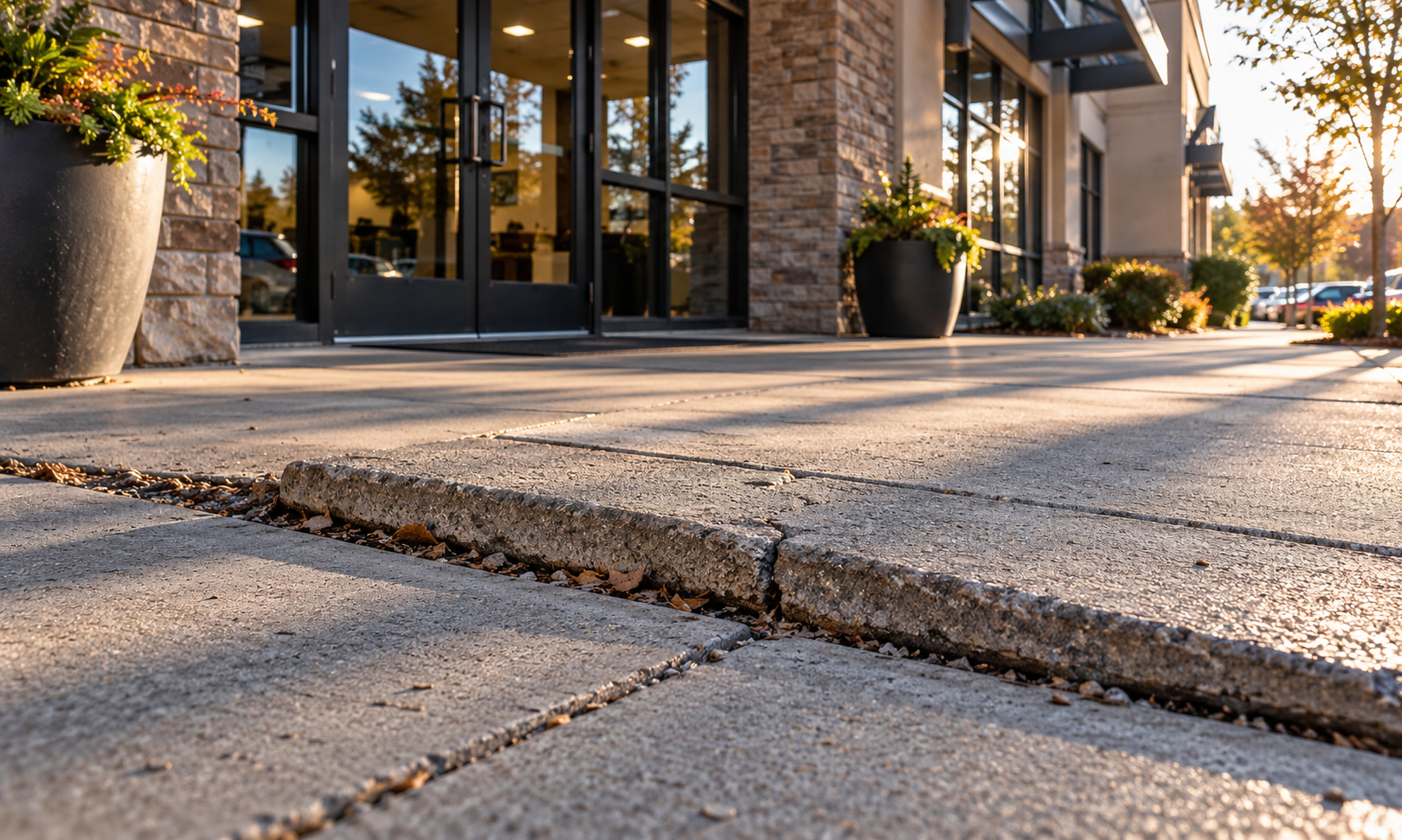
Trip-and-fall accidents often involve an obstruction or uneven walking surface, such as displaced sidewalk slabs, damaged pavement, raised flooring, loose carpeting, or an unexpected change in elevation.
These incidents can occur at retail stores, restaurants, office buildings, apartment complexes, parking areas, and other public or private properties.
The existence of a slippery or uneven surface does not by itself establish liability. Relevant questions include whether the condition presented an unreasonable risk, whether the responsible party knew or should reasonably have discovered it, and whether reasonable precautions were taken.
In California, some claims involving minor walkway irregularities may also raise questions under the trivial defect doctrine. Whether a condition is legally trivial depends on more than a single measurement and may require consideration of surrounding circumstances.
What Other Property Hazards Can Lead to Premises Liability Claims?
Premises liability claims are not limited to falls on wet or uneven surfaces.
Potentially hazardous conditions may include:
- Unsafe stairs and railings: Broken steps, loose handrails, deteriorated stair surfaces, or other conditions that may contribute to falls.
- Inadequate lighting: Poor visibility in stairwells, walkways, parking areas, or building entrances.
- Falling objects: Merchandise, equipment, building materials, or other objects that fall because of unsafe storage or maintenance conditions.
- Unsafe walking areas: Damaged flooring, potholes, deteriorated pavement, loose mats, or other pedestrian hazards.
- Swimming pools and recreational facilities: Conditions involving inadequate maintenance, unsafe equipment, or other potentially unreasonable risks.
- Negligent security: Certain injuries caused by third-party criminal conduct where the applicable legal requirements concerning foreseeability, duty, and reasonable precautions are established.
Whether a particular condition supports a legal claim depends on the property's circumstances, the conduct of the responsible parties, and the applicable legal standards.
Did the Property Owner Know About the Dangerous Condition?
An important issue in many premises liability cases is whether the person or entity responsible for the property knew, or reasonably should have known, about the hazardous condition.
Actual notice may exist when a responsible party received a complaint, observed the condition, or otherwise became aware of the hazard.
Constructive notice may arise when a dangerous condition existed under circumstances in which reasonable inspection or maintenance practices should have led to its discovery.
Relevant evidence may include maintenance records, inspection procedures, incident reports, employee statements, prior complaints, surveillance footage, and information about how long the condition existed.
The legal significance of notice depends on the circumstances. In some cases, the responsible party's own conduct may have created the dangerous condition.
A careful evaluation considers what reasonable care required under the particular circumstances rather than assuming that every accident was preventable.
Who May Be Legally Responsible for an Unsafe Property Condition?
Legal responsibility may depend on ownership, possession, control, maintenance obligations, and the circumstances of the incident.
Depending on the facts, potentially responsible parties may include property owners, commercial tenants, landlords, property management companies, maintenance contractors, or other entities exercising relevant control over the premises.
A property's ownership records do not necessarily identify every party that may owe a duty of care. Lease agreements, maintenance contracts, actual control of the area, and other evidence may be relevant.
Injuries involving public property, including some sidewalks and municipal facilities, can raise additional questions concerning the responsible public entity, applicable statutory requirements, and claim-filing procedures.
California claims against public entities are governed by special rules that may differ from ordinary private-property claims, including shorter administrative claim deadlines in many cases.
Identifying the correct responsible party is therefore an important part of evaluating a premises liability claim.
What Evidence Matters After an Injury on Someone Else's Property?
Premises liability claims often require evidence both of the hazardous condition and of how that condition contributed to the injury.
Photographs of the accident location, measurements of a walkway defect, incident reports, witness statements, surveillance recordings, inspection records, and maintenance documentation may help establish the relevant circumstances.
Conditions can change after an accident. A spill may be cleaned, a sidewalk repaired, or damaged equipment replaced. Promptly preserving available evidence may therefore be important.
Injuries from property-related accidents can include fractures, head injuries, spinal injuries, soft-tissue damage, and other conditions that may require medical treatment or rehabilitation.
Depending on the facts and applicable law, recoverable damages may include:
- Past and future medical expenses
- Rehabilitation and related treatment costs
- Lost earnings
- Diminished future earning capacity
- Physical pain and emotional suffering
- Loss of enjoyment of life
- Other legally recoverable financial losses
The available damages depend on the nature of the injury, the supporting evidence, and the applicable legal standards.
Understanding Your Legal Options After an Injury on Someone Else's Property
Premises liability disputes may involve questions about the condition of the property, who controlled or maintained the area, whether a hazard was known or reasonably discoverable, and whether the condition caused the injury.
Evaluating a claim may require reviewing property records, inspection and maintenance practices, witness accounts, medical evidence, and the applicable legal duties.
Lepera & Associates, PC assists clients in evaluating potential premises liability claims and pursuing appropriate legal remedies under California law.
Depending on the circumstances, resolving a claim may involve negotiations with responsible parties or insurers, or litigation when necessary. The available options and potential outcomes depend on the facts, evidence, and applicable law.